How We Rate Hardware Wallets
Every score on this site is calculated from 40+ verified specs using a published formula. No paid placements, no manual overrides — check our math on any wallet.
Choosing a hardware wallet is a security decision — not just a purchase. With dozens of devices claiming to be "the safest," separating marketing from reality requires a systematic, data-driven approach.
We built an open scoring system that evaluates every wallet across five categories: security architecture, backup & recovery, daily usability, ecosystem compatibility, and privacy protection. Each category is scored 0–100 based on verified hardware specs — then combined into a single overall rating using the weighted formula below. The formula is public: you can verify the math on any wallet we rate.
5 Categories We Score Every Wallet On
Security
Protection of crypto assets from hacking and theft
- Secure Element (+18 pts, hard cap at 75 without)
- SE Level (up to +12 pts)
- Non-Extractable Keys (+12 pts)
- Open Source (+8 pts)
- Anti-Klepto (+8 pts)
- Security Audits (+8 pts)
- Firmware Attestation (+7 pts)
- Encrypted Communication (+7 pts)
- PIN Security (up to +8 pts)
- Firmware Protection (up to +8 pts)
- Supply Chain Mitigation (up to +6 pts)
- Reproducible Builds (+4 pts)
- Secure Boot (+3 pts)
Recovery
Backup and recovery mechanisms
- Seed Protocol (SLIP39: 25, BIP39: 20, Custom: 12 pts)
- Seed Word Count (24w: +6, 20w: +5, 12w: +3 pts)
- Shamir Secret Sharing (+8 pts composite bonus)
- Multi-Card Backup (+12 pts)
- Passphrase Support (+8 pts, +4 bonus with BIP39)
- BIP85 Support (+8 pts)
- Backup Ease (up to +20 pts)
- Hidden Wallets (+4 pts)
- Social Recovery (+3 pts)
- Vendor Backup Penalty (−3 pts if default without opt-in)
Usability
Expert ratings (60%) + universally achievable factors (40%). No form-factor bias.
- Expert: Setup Ease (up to 20 pts)
- Expert: Interface Quality (up to 20 pts)
- Expert: Learning Curve — inverted (up to 20 pts)
- Wireless Freedom — fully wireless: +12, hybrid: +7 pts
- Clear Signing (+10 pts)
- Config Time (≤5min: +10, ≤15min: +5 pts)
- Multi-Language Support (≥10: +8, ≥4: +5, ≥1: +2 pts)
Ecosystem
Platform compatibility and integrations
- Unified Accounts (+15 pts)
- Exchange Integration (+15 pts)
- Network Breadth (up to +20 pts by tier)
- Desktop Platforms (up to +10 pts graduated)
- Mobile Platforms (up to +10 pts graduated)
- WalletConnect (+8 pts)
- Full Node Support (+8 pts)
- Smart Contracts (+5 pts)
- Coin Control (+4 pts)
- Cold Staking (+4 pts)
- Multisig (up to +5 pts)
Privacy
Privacy protection and anonymity
- Tor Support (+15 pts)
- No Account Registration (+12 pts)
- Open Source (+10 pts)
- Encrypted Communication (+10 pts)
- Wireless Attack Surface (USB-only: +8, NFC-only: +4)
- Avoids Telemetry (+8 pts)
- Full Node Support (+8 pts)
- CoinJoin Support (+8 pts)
- Fully Offline Mode (+6 pts)
- Metadata Protection (+5 pts)
- Telemetry Penalty (−1 to −5 pts graduated)
Open Scoring Formula
Every rating on this site is calculated from this formula — no exceptions, no manual adjustments.
Rating = (Security × 0.30) + (Recovery × 0.20) + (Usability × 0.20) + (Ecosystem × 0.15) + (Privacy × 0.15) · If Security < 50 → overall × 0.8Security Penalty
If the Security score falls below 50, the overall rating is multiplied by 0.8 — because a hardware wallet that fails at its primary job cannot score well overall.
Scoring in Practice
Here's how the formula works on real wallets — from top-rated to entry-level.
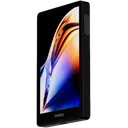
OneKey Pro
$278 · OneKey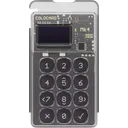
Coinkite Coldcard Mk4
$177.94 · Coinkite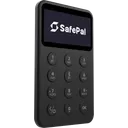
SafePal X1
$69.99 · SafePalWhy These Weights?
Security (30%)
A hardware wallet's primary job is protecting private keys. If the security architecture fails, nothing else matters — which is why security carries the largest weight in our formula.
Recovery (20%)
Even the most secure wallet is useless if you can't recover your funds after losing the device. Reliable backup and recovery mechanisms are critical for long-term asset protection.
Usability (20%)
Security that's too difficult to use correctly gets bypassed. A confusing setup or error-prone interface can lead to mistakes that compromise funds — good UX is a security feature.
Ecosystem (15%)
A wallet needs to work with your preferred platforms, chains, and tools. Broad compatibility means fewer workarounds and less reliance on less secure alternatives.
Privacy (15%)
Financial privacy is a fundamental right. Hardware wallets that leak transaction data, require identity verification, or expose Bluetooth metadata can undermine the security they provide.
From Testing to Score — 5 Steps
Purchase & Setup
We buy every wallet at retail price — no manufacturer samples. Each device goes through full unboxing, setup, and initial configuration.
Hands-On Testing
At least 2 weeks of real-world usage: sending transactions, testing backup/recovery, connecting to different platforms, and stress-testing edge cases.
Spec Verification
We verify every hardware spec against manufacturer documentation, security audits, and community research. No claims are taken at face value.
Formula Calculation
Scores are calculated automatically using the open formula above. The rating engine applies weights to verified specs — no manual overrides.
Quarterly Reassessment
Every wallet is re-evaluated quarterly to account for firmware updates, new features, security disclosures, and changes in the competitive landscape.
Editorial Standards
Every review on HardwareWalletRatings follows strict editorial standards designed to ensure accuracy, fairness, and real-world relevance.
Hands-On Testing
We purchase wallets at retail price and test them ourselves — unboxing, setup, real transactions, backup recovery. Hands-on reports with photos are being added to each review as we expand our testing lab. Completed: Tangem Wallet. In progress: Ledger, Trezor, BitBox.
Formula-Driven Scores
Ratings are calculated automatically from verified specs using a published formula. No editor can manually adjust a score — the data determines the rating.
Affiliate Transparency
We earn commissions when you buy through our links — but affiliate partnerships never influence scores or rankings. Our rating formula runs on specs, not deals.
Quarterly Updates
Hardware wallets evolve — firmware updates, new features, security disclosures. We reassess every wallet quarterly so scores reflect the current state, not launch-day specs.
Devices We've Tested
These wallets were purchased and physically tested by our team. Hands-on results are published alongside spec-based ratings.
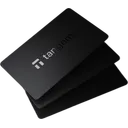
Wallets not listed here are rated on verified specs only. We add hands-on tests as we acquire more devices.
Methodology FAQ
How is the overall hardware wallet score calculated? +
Each wallet is scored across five categories — Security (30%), Recovery (20%), Usability (20%), Ecosystem (15%), and Privacy (15%) — using verified hardware specs. The weighted average of all five category scores produces the overall rating. The formula is open and published above.
Why does security have the highest weight at 30%? +
A hardware wallet's primary purpose is protecting private keys from theft and unauthorized access. If the security architecture is compromised, no amount of usability or ecosystem support matters. We weight security highest because it reflects the core function these devices serve.
Do affiliate links affect wallet ratings? +
No. Ratings are calculated automatically from verified specs using a published formula. No manufacturer can pay for a higher score, and affiliate partnerships have zero influence on the rating engine. We disclose all affiliate relationships transparently.
How often are wallet scores updated? +
We reassess every wallet quarterly. Scores are also updated when significant changes occur — firmware updates, security disclosures, new feature releases, or changes to the companion app. The 'Last updated' date on each review shows when the most recent reassessment occurred.
What data sources do you use for scoring? +
We use a combination of hands-on testing, official manufacturer specifications, published security audit reports, open-source firmware repositories, and verified community research. No claims are taken at face value — we verify specs independently where possible.
Can I verify the score of any wallet myself? +
Yes — that's the point of an open formula. Each wallet review page shows the full score breakdown across all five categories with the specific factors that contributed to each score. You can check our math against the published criteria on this page.
See the Scores in Action
Every rating is calculated from 40+ verified specs using the formula above. Browse wallets, compare side-by-side, or find your match.