Hardware Wallet Reviews — 23 Wallets Rated & Compared 2026
Every wallet scored across security, usability, recovery, ecosystem, and privacy. Filter by price, features, or use case — find the right cold storage device.


Editor's Choice: Best by Category
Top-scoring wallets in the categories that matter most — security, budget, and everyday use.
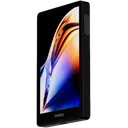 Best Overall
OneKey Pro
$278- Secure Element chip
- Open-source firmware
- Color IPS Touchscreen (4") display
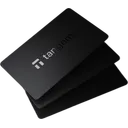
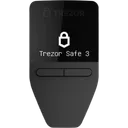
All 23 Hardware Wallets — Ranked & Filtered
Full database sorted by overall rating. Filter by price, connectivity, or security features to narrow down your choice.


Not Sure Which Wallet Is Right for You?
Answer a few questions about your needs and get filtered results matched to your criteria.
- Takes under 2 minutes
- Filtered from 23 wallets
- Based on your actual needs
Popular Wallet Comparisons
Side-by-side breakdowns of the most compared hardware wallets.


Browse 123 Hardware Wallet Categories
Filter wallets by crypto, budget, security level, or features — find the right fit for your use case.
Best Overall
Top rated all-around wallets
ExploreBest for Beginners
Easy setup and simple interface
ExploreBest Value
Great features for the price
ExploreBest Usability
Easiest to use daily
ExploreBest for Advanced
Power users and experts
ExploreBest Bitcoin-Only
Wallets that support only Bitcoin
ExploreBrowse by Brand
Leading manufacturers of hardware wallets, each with unique features and security approaches.









How We Score: Open Formula, No Black Box
Every rating on this page is calculated from verified specs using a published formula. Security (30%), Recovery (20%), Usability (20%), Ecosystem (15%), Privacy (15%). No manual overrides, no paid placements — check our math on any wallet.
40+ Verified Specs
Each wallet is evaluated across 40+ data points sourced from official documentation and firmware analysis.
Open Formula
Our scoring algorithm is fully transparent. See exactly how each wallet earns its rating — no hidden factors.
Updated on Every Change
Ratings are recalculated whenever a wallet receives a firmware update, new feature, or security disclosure.
What Is a Hardware Wallet?
A hardware wallet (also called a cold wallet or cold storage device) is a physical device that stores your cryptocurrency private keys completely offline. Unlike software wallets or exchange accounts, your keys never touch an internet-connected device — making it the most secure way to store Bitcoin, Ethereum, and other digital assets long-term.
Hardware wallets work by signing transactions inside the device itself. When you send crypto, the transaction is passed to the device, signed with your private key offline, and the signed result is sent back to your computer — your key never leaves the hardware. This air-gapped process protects you even if your computer has malware. Most hardware wallets use a certified Secure Element chip (the same technology in bank cards and passports) to store keys in tamper-resistant hardware.
Offline Cold Storage
Your private keys stay completely offline, protected from internet-based attacks, phishing, remote exploits, and exchange hacks. Even if your computer is compromised, your keys remain isolated.
Your Keys, Your Crypto
You maintain full control and custody of your private keys. No exchange, no custodian, no third party can freeze or seize your assets. True self-sovereignty over your crypto.
Tamper-Proof Hardware
Certified Secure Element chips protect against physical extraction attacks. PIN protection, wipe-after-attempts, and sealed enclosures ensure your crypto stays safe even if the device is stolen.
Hardware Wallet vs Software Wallet
Why serious investors choose hardware wallets for long-term storage.
| Feature | Hardware Wallet | Software Wallet |
|---|---|---|
| Security | Maximum (offline cold storage) | Moderate (online vulnerability) |
| Private Key Storage | Secure Element chip (offline) | On your phone/computer |
| Recovery | Seed phrase restores on any device | Seed phrase (if supported) |
| Convenience | Good (physical device needed) | Excellent (instant access) |
| Price | $49–$399 one-time | Free |
| Best For | Long-term storage, $500+ | Daily spending, small amounts |
| Verdict | Recommended | OK for small amounts only |
Are hardware wallets worth the cost?
If the crypto you hold is worth more than the wallet itself, yes. A $79 device protecting $5,000+ in assets is like a safe for your savings account. The cost of a hack far exceeds the cost of prevention.
What if I lose my hardware wallet?
Your crypto is NOT lost. During setup, you create a recovery phrase (12–24 words). With this phrase, you can restore your entire portfolio on any new hardware wallet. The device is just the key holder.
Hardware Wallet Buying Guide FAQ
Which hardware wallet should I buy in 2026?
What's the cheapest hardware wallet that's still secure?
Do I need a touchscreen hardware wallet?
Where should I buy a hardware wallet?
Can one hardware wallet store multiple cryptocurrencies?
How often do hardware wallets get firmware updates?
Found Your Hardware Wallet Yet?
Use the comparison table above to filter by features, or try our Wallet Finder for personalized results based on your priorities.
All ratings calculated from verified specs. Affiliate links clearly disclosed.