How to Verify Your Hardware Wallet and Avoid Supply Chain Attacks
Tampered packaging, modified firmware, fake devices — how to verify your hardware wallet is genuine and has not been compromised.

Introduction
TL;DR
- Supply chain attacks target the process of acquiring hardware wallets to implant malware or compromise security.
- To verify your device, inspect packaging, check for tamper-evident seals, and validate the firmware using secure channels.
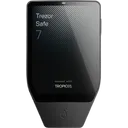
- Top wallets with high supply chain security include Ledger, Trezor, and Coldcard.
- Failure to verify your device can expose you to stolen private keys and irrecoverable funds.
What is a Supply Chain Attack on Hardware Wallets?
A supply chain attack on a hardware wallet refers to a compromise that occurs during the distribution process. Malicious actors target manufacturers, suppliers, or retailers to tamper with a wallet before it reaches the end user. This can involve implanting malware, altering firmware, or replacing the device with a counterfeit version.
Such attacks exploit the trust users place in manufacturers. Hardware wallets are supposed to keep private keys offline and safe, but if a device is compromised in the supply chain, the entire security model collapses.
How Supply Chain Attacks on Hardware Wallets Work
Supply chain attacks generally involve two phases: interception and manipulation. In the first phase, an attacker either intercepts or replaces a genuine wallet with a compromised one. In the second phase, they might install malicious firmware or hardware modifications that steal your private keys or monitor your transactions without your knowledge.
These attacks are particularly difficult to detect because the device appears normal on the surface. It's only when users connect the device to a computer or interact with it that the malicious software can begin its work. These types of attacks are hard to prevent, which is why verifying the integrity of the wallet is essential.
Top-Rated Wallets for This Use Case
View all wallets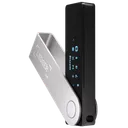
Why Supply Chain Attacks Matter
Supply chain attacks are especially dangerous because they exploit the assumption that hardware wallets are safe once purchased. If your wallet has been tampered with, there is no way to recover stolen funds, making these attacks particularly devastating. As crypto adoption grows, the incentives for attackers to compromise hardware wallets also rise.
Without proper verification, your assets are vulnerable. Once your private keys are compromised, your funds can be accessed without your consent, even if you use all other security measures. For high-net-worth individuals or businesses, this can mean significant financial losses.
Key Considerations When Verifying Your Hardware Wallet
When verifying your wallet, it’s important to focus on two main areas: the physical integrity of the device and the authenticity of the firmware. Look for tamper-evident seals, inspect the device’s packaging, and always ensure the firmware is up-to-date with a verified source.
Some manufacturers offer secure verification channels, like QR codes that link to trusted sources or physical verification codes on the device. Also, be sure to check for security features like passphrase support, air-gapped signing, and tamper-proof design. All of these mitigate the risk of supply chain attacks significantly.
Common Mistakes to Avoid When Verifying Your Device
One common mistake is skipping the verification process entirely because the wallet looks unopened or new. This is dangerous because supply chain attacks can be well-hidden. Even minor damage to packaging or an unsealed box is a red flag.
Another mistake is relying on instructions from untrusted sources or online guides without verifying them directly with the manufacturer. Always cross-check any information about the device's firmware or security with the official brand website to prevent falling victim to phishing or misinformation.
Best Practices for Safeguarding Against Supply Chain Attacks
To prevent falling victim to a supply chain attack, always buy hardware wallets directly from official or reputable resellers. Use devices with strong tamper-evident features, like sealed boxes and holographic stickers. Always verify the firmware using official tools or apps from the manufacturer, and avoid connecting your device to unknown or untrusted computers.
If you're extra cautious, consider using air-gapped wallets that never connect directly to the internet. This significantly reduces the risk of compromise even if your device was tampered with in the supply chain.
Who Should Be Concerned About Supply Chain Attacks?
While everyone using a hardware wallet is at risk, the stakes are higher for those with large amounts of cryptocurrency, businesses, or individuals dealing with high-value assets. These people should take extra precautions, including buying wallets directly from manufacturers, using multisig setups, and regularly updating their security practices.
Anyone who travels internationally or works with untrusted third-party vendors should be especially careful. Supply chain attacks are often more difficult to detect in high-volume shipping or international transactions.
Conclusion and Next Steps
Supply chain attacks are a serious threat to hardware wallet users, but with the right precautions, you can minimize the risk. Always verify your wallet before use, inspect its packaging, and check the firmware integrity. Following these steps will help ensure that your cryptocurrency remains safe from attackers.
As you continue to use your wallet, remember to stay vigilant for signs of tampering, and never assume that a device is secure simply because it is new. Take control of your security and safeguard your assets with these practices.
What to Look for in a Wallet
Passphrase Support
Must HavePassphrase support ensures that even if an attacker gains access to your device, they cannot recover your wallet without your passphrase. This feature adds an extra layer of protection in the event of a supply chain attack.
Matching wallets


Coinkite Coldcard Mk4

Air-Gapped Signing
Must HaveAir-gapped wallets are not connected to the internet, reducing the risk of remote attacks or firmware tampering. If your wallet is compromised in the supply chain, air-gapping mitigates exposure to malicious software.
Matching wallets
Coinkite Coldcard Mk4


Tamper-Evident Design
Must HaveA wallet with a tamper-evident design ensures that if someone tries to open the device, it will be clear. This can include seals or special holographic stickers, making it much harder for attackers to tamper with the device without leaving visible signs.
Matching wallets
Recommended Wallets for This Threat Model
These wallets provide strong defense against supply chain attacks, with features like air-gapped signing, tamper-evident designs, and passphrase support.
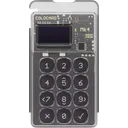
Coinkite Coldcard Mk4
Common Mistakes to Avoid
Using unverified third-party resellers
Why it's dangerous
Third-party sellers may offer compromised devices that have been tampered with before delivery.
Do this instead
Always buy from the official manufacturer or an authorized reseller.
Neglecting to verify the firmware
Why it's dangerous
If your firmware is compromised, your wallet’s security is worthless.
Do this instead
Always verify the firmware using official tools from the manufacturer.
Ignoring signs of tampering on packaging
Why it's dangerous
Small signs of tampering may indicate a more serious supply chain attack.
Do this instead
Inspect the packaging and seals carefully before using the device.
Frequently Asked Questions
Common questions about hardware wallets and crypto security
How can I verify that my hardware wallet is not compromised?
Are supply chain attacks common for hardware wallets?
Can supply chain attacks be detected after use?
Which wallets are the most secure against supply chain attacks?
Ready to Choose Your Wallet?
Now that you have the knowledge, take the next step toward securing your crypto.