Staking Security: Protecting Validator and Delegator Keys
Staking locks up your crypto with validators. Slashing risks, key management, and how to stake safely with hardware wallets.

Introduction
TL;DR
- Validator and delegator keys are critical in the staking process, but they come with unique security risks.
- The main threat vectors include physical theft, remote attacks, and key exposure due to weak key management.
- Use of hardware wallets, multi-signature setups, and passphrases is crucial for securing keys.
- Choosing a secure wallet with tamper-evident designs and proper backup methods can help mitigate the risks.
What is a Validator and Delegator Key?
In proof-of-stake (PoS) networks, validator and delegator keys are the core to participating in staking. Validators secure the network by validating transactions and producing blocks, whereas delegators contribute their tokens to validators in exchange for staking rewards. Both validator and delegator keys are cryptographic assets that allow access to staked funds, making them a prime target for attacks. Securing these keys is essential to avoid unauthorized access, theft, or loss of funds.
Validator keys are generally used in running nodes that participate in consensus, while delegator keys are used to vote on validators without actively validating themselves. Both types need to be protected, as compromise of either can result in financial losses.
How Validator and Delegator Key Management Works
The management of validator and delegator keys generally follows a similar process, but the risk landscape can differ based on the role. A validator must sign blocks and transactions, requiring access to private keys stored securely. Delegators, on the other hand, can delegate their tokens without direct interaction with the blockchain, relying on key management to authorize staking operations.
Both roles require robust protection of private keys. Validators typically use hardware wallets or offline storage methods like air-gapped devices to prevent unauthorized access. Delegators can also store keys in hardware wallets or use multisig setups to distribute risk and avoid single points of failure. Both methods provide a layer of security by reducing exposure to online attacks.
Top-Rated Wallets for This Use Case
View all wallets
Why Staking Key Security Matters
When it comes to staking, key security is a major concern because these keys control access to staked assets. If an attacker compromises a validator key, they can potentially perform malicious activities like double-spending, censoring transactions, or slashing the validator for misbehavior, which can lead to the loss of staked funds. In the case of delegator keys, malicious access can result in unauthorized transfers of delegated assets, undermining the trust in the staking network.
Without proper security, the potential for hacks, such as phishing or physical theft of hardware wallets, becomes very high. In addition, software vulnerabilities in wallet software can also lead to unexpected breaches if not patched. It's critical to understand these risks and apply the right measures to mitigate them effectively.
Key Considerations for Staking Key Security
Staking key security requires careful planning and attention to detail. A few key factors to keep in mind include:
- Backup and Recovery: Ensure that backup copies of your keys are secure, preferably offline, and accessible in case of device failure or loss.
- Physical Security: Use secure storage devices, such as hardware wallets, that are tamper-evident and resistant to physical attacks.
- Multisig Setup: Consider using a multisignature wallet to reduce the impact of key compromise, where multiple parties must sign transactions.
- Use of Passphrases: Adding an additional layer of security through passphrases can provide protection even if your hardware wallet is compromised.
Common Mistakes to Avoid
When securing validator and delegator keys, several common mistakes can compromise your security:
- Storing keys in software wallets: Software wallets connected to the internet are vulnerable to hacking. Always prefer hardware wallets or air-gapped devices.
- Using weak passwords or no passphrase: A weak password can be easily brute-forced. Always use a strong passphrase along with your hardware wallet to add an additional layer of protection.
- Failure to update wallet firmware: Leaving wallet firmware outdated can expose your device to known vulnerabilities. Always check for and apply security patches and updates.
Best Practices for Securing Staking Keys
To mitigate the risks associated with staking keys, follow these best practices:
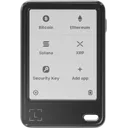
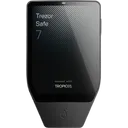
- Use hardware wallets: Hardware wallets are designed to keep private keys offline and secure. Devices like the Ledger Nano X and Trezor Safe 3 offer excellent protection and multi-signature support.
- Enable passphrases: Always use a passphrase on top of your hardware wallet’s PIN to ensure an extra layer of encryption. This makes unauthorized access more difficult.
- Use multisignature setups: Multisig wallets require more than one key to authorize transactions, adding an additional layer of protection for your assets.
- Backup your keys properly: Store backups of your private keys securely, preferably in offline environments like safe deposit boxes, and make sure they are encrypted.
Who Should Focus on This Threat Model?
This threat model is relevant for both validators and delegators in proof-of-stake networks. Validators should be particularly concerned with the security of their private keys, as a breach could result in slashing and loss of reputation. Delegators, while not directly responsible for validating blocks, must also ensure their keys are secure to prevent unauthorized delegation or fund theft.
Anyone involved in the staking process, especially those holding large amounts of cryptocurrency, should take proactive measures to secure their keys. If you're a professional validator or have significant funds staked, it's imperative to apply best practices and understand the risks in detail.
What to Look For in a Wallet
Passphrase Support
Must HavePassphrase support adds a second layer of encryption, which is vital for securing your keys in case your hardware wallet is compromised.
Matching wallets


Coinkite Coldcard Mk4


Air-Gapped Signing
Must HaveAir-gapped signing ensures that your private keys are never exposed to an internet-connected device, reducing the risk of remote attacks.
Matching wallets
Coinkite Coldcard Mk4


Tamper-Evident Design
Nice to HaveA tamper-evident design helps ensure that your hardware wallet hasn’t been physically compromised before use.
Multisig Support
Nice to HaveMultisignature wallets require multiple keys to authorize a transaction, ensuring that no single key exposure can lead to a loss.
Matching wallets
Coinkite Coldcard Mk4
Recommended Wallets for This Threat Model
These wallets provide robust protection for validator and delegator keys with top-notch security features like passphrase support, air-gapped signing, and multisig.

Coinkite Coldcard Mk4
Common Mistakes to Avoid
Using software wallets for staking
Why it's dangerous
Software wallets are vulnerable to hacks, which puts your keys at significant risk.
Do this instead
Use hardware wallets to store your staking keys offline and secure.
Not using a passphrase
Why it's dangerous
A passphrase adds an additional layer of encryption, preventing unauthorized access if your hardware wallet is compromised.
Do this instead
Always enable passphrase support on your hardware wallet.
Conclusion and Next Steps
Staking security is an ongoing process that requires diligence, knowledge, and the right tools. By using secure wallets, employing passphrase protection, and following best practices like multisig setups and air-gapped signing, you can protect your validator and delegator keys from the most common threats.
As staking networks evolve and new threats emerge, it's crucial to stay informed and adjust your security strategies accordingly. Begin by reviewing your current key management practices, and ensure your wallet choice aligns with the best security features for your needs.
Frequently Asked Questions
Common questions about hardware wallets and crypto security
What happens if my validator key is compromised?
How can I recover my delegator key if I lose it?
Are hardware wallets enough to protect my staking keys?
Can I use my staking keys across multiple wallets?
Ready to Choose Your Wallet?
Now that you have the knowledge, take the next step toward securing your crypto.