Setting Up a Privacy-Focused Hardware Wallet: CoinJoin and More
Financial privacy is a right. CoinJoin, coin control, Tor integration — how to minimize the on-chain footprint of your hardware wallet.

Introduction
TL;DR
- Privacy-focused hardware wallets integrate CoinJoin and other privacy tools.
- CoinJoin allows you to mix your transactions with others, making them harder to trace.
- Key considerations include wallet choice, passphrase support, and staying up-to-date on security features.
- Advanced strategies like CoinJoin require understanding wallet capabilities and trade-offs.
What is a Privacy-Focused Hardware Wallet?
A privacy-focused hardware wallet prioritizes both security and privacy for your cryptocurrency holdings. While typical hardware wallets protect your private keys from online threats, a privacy-focused wallet incorporates features that anonymize your transactions, preventing others from linking your wallet to specific transactions. By adding features like CoinJoin support, these wallets help you maintain your financial privacy by obfuscating the source of your funds.
These wallets are designed to keep your data safe from both hackers and surveillance by using techniques that mix your transactions with those of other users. This makes it significantly harder for an observer to track your activity on the blockchain, which is crucial for anyone who values privacy in the crypto space.
How Privacy-Focused Wallets Work
Privacy-focused wallets leverage various features to safeguard your transactions. One of the key components is CoinJoin, a method that combines multiple users' transactions into a single transaction, making it difficult to trace the origin of any individual payment. Many privacy-focused hardware wallets integrate CoinJoin, allowing you to send funds without revealing your transaction history.
Beyond CoinJoin, these wallets often support passphrase protection, hidden wallets, and even air-gapped designs that help mitigate the risk of online attacks. These tools ensure that even if a hacker gains physical access to your device, they cannot easily compromise your privacy or steal your funds. By combining these advanced privacy features with hardware-level security, privacy-focused wallets make a strong case for those who want to protect their crypto from both surveillance and theft.
Top-Rated Wallets for This Use Case
View all wallets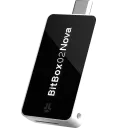

Why Privacy Matters in Crypto
Cryptocurrency transactions are public on the blockchain, meaning anyone can view the amount sent, the sender, and the recipient. This transparency is beneficial for the network, but it poses significant risks for privacy. If someone can link your identity to your wallet address, they can track all your transactions. This is where privacy-focused hardware wallets come in—by obfuscating your transaction trail, they make it much harder for others to track your financial activity.
Privacy also protects against targeted attacks. Without privacy, attackers may try to target you based on your crypto holdings or transaction history. This could include phishing, blackmail, or physical theft attempts. With a privacy-focused wallet, you’re taking a proactive step in preventing these risks from materializing.
Key Considerations for Privacy-Focused Hardware Wallets
When choosing a privacy-focused hardware wallet, there are several key factors to consider. First, ensure the wallet supports CoinJoin or similar mixing techniques. Not all wallets offer this feature, so it's crucial to choose one that does if privacy is your priority.
Another important consideration is the wallet's passphrase support. This feature adds an extra layer of protection by allowing you to set a secondary passphrase, essentially creating a hidden wallet within your wallet. This is especially important if you're storing significant amounts of crypto and want to minimize the risk of theft. Additionally, evaluate the wallet's physical security features, such as tamper-evident designs and secure elements, which are essential for ensuring your keys are kept safe from physical attacks.
Common Mistakes to Avoid
Many users make mistakes when setting up their privacy-focused hardware wallets, often due to a lack of understanding of the technology. One common mistake is not regularly updating wallet firmware. Wallet manufacturers frequently release updates to improve security and fix vulnerabilities. Failing to apply these updates can leave your wallet exposed to new threats.
Another mistake is using weak passphrases or not utilizing hidden wallets. The strength of your passphrase is crucial, as a weak one can be guessed through brute force attacks. Similarly, not taking advantage of the hidden wallet feature means you're leaving yourself vulnerable in case of theft or coercion.
Best Practices for Privacy-Focused Wallet Use
To maximize the effectiveness of your privacy-focused hardware wallet, follow best practices like using strong passphrases and enabling hidden wallets. These features add multiple layers of protection, reducing the likelihood of an attacker gaining access to your funds. Additionally, make sure to use CoinJoin or similar services to obscure your transaction history.
Regularly back up your wallet and store your backup securely offline. Always avoid keeping backup keys in insecure locations like cloud storage or online services. Finally, consider using a full node or tor network to interact with your wallet to ensure even greater privacy when sending or receiving transactions.
Who Should Use a Privacy-Focused Hardware Wallet?
Privacy-focused hardware wallets are ideal for anyone who values their financial privacy or is dealing with significant amounts of cryptocurrency. This includes privacy advocates, high-net-worth individuals, frequent travelers, and anyone concerned about surveillance or theft. If you're living in a region where cryptocurrency is a target for government surveillance, or if you're a high-profile individual, a privacy-focused wallet is a must.
These wallets are not just for crypto experts—they’re for anyone who wants to ensure their financial transactions remain anonymous and secure from hackers, trackers, or other malicious actors.
Conclusion & Next Steps
Setting up a privacy-focused hardware wallet is an important step in safeguarding your cryptocurrency against the risks of surveillance and theft. By using features like CoinJoin, hidden wallets, and secure passphrases, you can significantly reduce your risk of being tracked or targeted by malicious actors. Remember to regularly update your firmware and follow best practices to keep your funds safe.
Next, evaluate your needs, select the right wallet for you, and implement the necessary privacy features. If you’re ready to take your security to the next level, start exploring advanced privacy strategies and stay informed about the latest developments in the crypto security landscape.
What to Look For in a Wallet
CoinJoin Support
Must HaveThis feature allows you to mix your transactions with others, improving privacy by obfuscating the source of your funds.
Matching wallets


Passphrase Support
Must HaveA passphrase adds an extra layer of protection, enabling you to create hidden wallets within your hardware wallet.
Matching wallets

Coinkite Coldcard Mk4

Full Node Support
Nice to HaveA full node allows you to interact directly with the Bitcoin network, ensuring your transactions are fully verified and private.
Recommended Wallets for This Threat Model
These wallets provide top-tier security features and robust privacy options to protect against surveillance and theft.
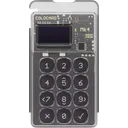
Coinkite Coldcard Mk4
Common Mistakes to Avoid
Not using passphrases
Why it's dangerous
A weak passphrase allows attackers to easily access your hidden wallet if they get physical access to your device.
Do this instead
Always enable passphrase support and choose a strong passphrase.
Relying on insecure backups
Why it's dangerous
Backups stored online or on cloud services are vulnerable to hackers.
Do this instead
Store your backups offline in a secure location.
Frequently Asked Questions
Common questions about hardware wallets and crypto security
What is CoinJoin and how does it improve privacy?
Do privacy-focused wallets require advanced knowledge to use?
Are hardware wallets with privacy features expensive?
Ready to Choose Your Wallet?
Now that you have the knowledge, take the next step toward securing your crypto.