NFT Security: Protecting Your Collection with Hardware Wallets
NFT theft is rampant. Malicious mints, fake marketplaces, and approval exploits — threat model for securing valuable NFTs.

Introduction
TL;DR
- Hardware wallets provide the highest level of security for NFTs.
- Risks like phishing and hacking are real threats to your collection.
- Use wallets that support passphrases, air-gapped signing, and multisig for added protection.
- Avoid using software wallets for valuable NFT storage.
What is an NFT and Why Should You Protect It?
An NFT (non-fungible token) is a digital asset representing ownership of a unique item, often artwork, music, or other collectibles. Unlike cryptocurrencies like Bitcoin, NFTs cannot be exchanged on a one-to-one basis due to their uniqueness. As the NFT market grows, so do the opportunities for theft. Without proper protection, a hacker can easily steal your NFTs from online wallets or exchanges.
Storing NFTs securely is crucial to maintaining control over your digital assets. Just like physical art or collectibles, NFTs represent valuable property that can be lost permanently if not properly secured. Using a hardware wallet is the best way to safeguard these digital treasures.
How Do Hardware Wallets Protect NFTs?
Hardware wallets are physical devices that store private keys offline, making them highly resistant to online threats. Since NFTs are stored as digital keys linked to blockchain transactions, losing access to these keys means losing ownership of your assets. Hardware wallets generate and store private keys in a secure, offline environment, keeping them safe from hackers, malware, and phishing attacks that are common in software wallets.
When you connect a hardware wallet to your computer or mobile device, the wallet signs transactions internally, preventing malicious software from accessing your keys. This process is known as air-gapped signing, which significantly reduces the risk of key exposure during transactions.
Top-Rated Wallets for This Use Case
View all wallets
Why Hardware Wallets Matter for NFT Security
As the value of NFTs increases, so does the incentive for hackers to target them. NFTs are often stored on online wallets that are vulnerable to phishing and hacking. If your private keys are exposed, your NFTs can be stolen. Hardware wallets mitigate this risk by keeping the keys offline, safe from most types of cyberattacks.
Additionally, hardware wallets often support features like passphrases, multi-signature (multisig) setups, and air-gapped transaction signing. These features enhance security by adding extra layers of protection, making it far harder for unauthorized parties to access your NFTs.
Key Considerations When Choosing a Hardware Wallet for NFTs
Choosing the right hardware wallet for your NFTs involves considering several key features. First, look for wallets that support passphrase functionality, which adds an extra layer of security by requiring a second password in addition to the private key.
Next, evaluate the wallet's air-gapped signing capabilities. This ensures that your private keys never touch an online device, preventing hacking attempts from malware. Lastly, multisig wallets require multiple signatures to authorize transactions, offering an added layer of security in case one of your keys is compromised.
Common Mistakes to Avoid with NFT Security
Many NFT owners make the mistake of storing their assets in software wallets or exchanges, which are vulnerable to hacks. Avoid this by using a hardware wallet with robust security features. Another mistake is failing to back up your hardware wallet recovery phrase. Losing access to this phrase means losing access to your NFTs permanently.
Lastly, many users neglect to enable passphrase support or multisig, which are key to protecting valuable assets. If your hardware wallet supports these features, enable them as an additional layer of defense against theft.
Best Practices for Storing and Protecting Your NFTs
Follow these best practices to keep your NFTs safe:
- Store your recovery phrase in a secure, offline location, such as a safe or safety deposit box.
- Enable passphrase support on your hardware wallet for an extra layer of protection.
- Use wallets that support air-gapped signing to ensure private keys are never exposed to online threats.
- Consider using multisig wallets to require multiple approvals for transactions, making it harder for a single hack to compromise your assets.
By following these guidelines, you can significantly reduce the risk of losing your NFTs to malicious actors.
Who Should Use a Hardware Wallet for NFTs?
If you own valuable NFTs, such as digital art, collectibles, or rare items, a hardware wallet is essential. Artists, collectors, and investors who hold a significant amount of NFTs should invest in a hardware wallet to ensure the safety of their digital assets. Even casual users can benefit from the added protection of a hardware wallet if they own high-value or rare NFTs.
In general, if you intend to hold NFTs for the long term and want to ensure they remain secure from cyberattacks, using a hardware wallet is highly recommended.
Conclusion and Next Steps
Securing your NFT collection is crucial, and hardware wallets provide the best solution for protecting your assets from online threats. By using a hardware wallet with strong security features, such as passphrases, air-gapped signing, and multisig support, you can ensure your NFTs remain safe.
Next, choose a hardware wallet that fits your needs, and follow the best practices outlined in this guide. Start by securing your NFTs today and enjoy peace of mind knowing that your digital assets are protected for the long term.
What to Look for in a Wallet
Passphrase Support
Must HavePassphrase support adds an additional layer of protection in case your private keys are exposed. It’s critical for defending against hackers who gain access to your device.
Matching wallets


Coinkite Coldcard Mk4

Air-Gapped Signing
Must HaveAir-gapped signing ensures that private keys are never exposed to online environments, reducing the risk of malware or phishing attacks.
Matching wallets
Coinkite Coldcard Mk4


Multisig Support
Nice to HaveMultisig adds an extra layer of security by requiring multiple private keys to sign a transaction. This is especially useful for high-value NFT collections.
Matching wallets
Coinkite Coldcard Mk4
Recommended Wallets for This Threat Model
These wallets provide the best protection for your NFT collection, offering features like passphrase support, air-gapped signing, and multisig functionality.
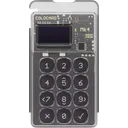
Coinkite Coldcard Mk4
Common Mistakes to Avoid
Storing recovery phrase digitally
Why it's dangerous
Storing it digitally makes it vulnerable to hacking or accidental sharing.
Do this instead
Store it offline in a secure location, like a safe or safety deposit box.
Ignoring passphrase and multisig features
Why it's dangerous
Without these, your wallet is less secure and vulnerable to attacks.
Do this instead
Enable passphrase support and consider using multisig for extra security.
Using software wallets for valuable NFTs
Why it's dangerous
Software wallets are susceptible to hacking and malware.
Do this instead
Use a hardware wallet for long-term storage of valuable NFTs.
Frequently Asked Questions
Common questions about hardware wallets and crypto security
How do hardware wallets protect NFTs?
What is an air-gapped wallet?
Can I use a hardware wallet for multiple NFTs?
What happens if I lose my hardware wallet?
Ready to Choose Your Wallet?
Now that you have the knowledge, take the next step toward securing your crypto.