Understanding the Threat Model for Cross-Chain Security in Multi-Chain Portfolios
Managing assets across multiple blockchains multiplies your attack surface. Threat model for bridge risks, chain-specific threats, and unified security.

Introduction
TL;DR
- Cross-chain portfolios expose users to unique security risks, including interoperability vulnerabilities and multi-chain attacks.
- Key attack vectors include compromised bridges, malicious smart contracts, and insecure wallet management.
- Mitigating these risks requires using wallets with strong isolation features, multi-signature setups, and regular audit trails.
- Practical defense strategies include avoiding centralized bridges, opting for hardware wallets, and using strong encryption measures.
What is a Multi-Chain Portfolio?
A multi-chain portfolio refers to a collection of assets spread across multiple blockchains, often including different cryptocurrencies, tokens, and decentralized finance (DeFi) protocols. This approach allows for a diversified investment strategy, offering exposure to a wider range of ecosystems and use cases.
In theory, it can help reduce the risk of total loss if one blockchain or asset class fails, but it also introduces new complexities in terms of security, as each blockchain has its own vulnerabilities and attack surfaces.
How Does Cross-Chain Security Work?
Cross-chain security primarily revolves around the safe transfer and interaction of assets across different blockchain networks. This is usually achieved through bridges, wrapped tokens, or multi-chain wallets. Bridges are the most common method for transferring tokens, but they are also a frequent attack vector due to the complexities of their interoperability mechanisms.
In practice, users need to ensure that any cross-chain transaction is securely executed with minimal risk of exploitation. This includes verifying the integrity of smart contracts, confirming the legitimacy of bridges or third-party services, and using secure wallets that support multiple chains without exposing assets to unnecessary risks.
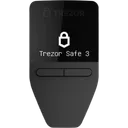
Top-Rated Wallets for This Use Case
View all wallets
Why Cross-Chain Security Matters
Cross-chain portfolios can create significant exposure if security is not prioritized. Given that many cross-chain protocols are new or experimental, vulnerabilities can easily be exploited. Successful attacks often target the interconnectivity between chains, where centralized points of failure or insecure bridges are prime targets.
Additionally, wallet management becomes more complex. Users need to securely store and manage private keys across different networks, which can lead to mismanagement or user errors. One successful exploit can potentially compromise all assets in a multi-chain portfolio, making strong security protocols essential.
Key Considerations for Cross-Chain Security
When managing a cross-chain portfolio, several factors need to be considered to minimize risk:
- Security of Bridges: Cross-chain bridges are a common point of failure. A poorly secured bridge could expose your assets to theft during a transfer.
- Wallet Security: Using hardware wallets that support multiple chains with high security features is crucial for protecting private keys.
- Smart Contract Audits: Always use audited smart contracts and protocols to prevent vulnerabilities in decentralized finance (DeFi) platforms.
- Backup and Recovery: A solid backup and recovery strategy is necessary, especially if managing assets across multiple chains.
Common Mistakes to Avoid in Cross-Chain Security
Many users make critical mistakes when managing a multi-chain portfolio. These include:
- Using Centralized Bridges: Centralized bridges are risky since they rely on a single point of failure.
- Failing to Secure Private Keys: Losing control over private keys, especially when using multiple wallets, can lead to irrecoverable losses.
- Relying on Unverified Smart Contracts: Unvetted smart contracts could have backdoors that allow malicious actors to siphon funds.
To avoid these mistakes, always use decentralized bridges, prioritize secure wallets, and verify the legitimacy of contracts before interacting with them.
Best Practices for Securing a Multi-Chain Portfolio
To protect assets across chains, follow these best practices:
- Use Hardware Wallets: Choose wallets that support multiple chains and provide robust security features like secure elements and air-gapped signing.
- Multi-Signature Setup: Implement a multi-signature configuration where multiple keys are required to authorize a transaction, making it more difficult for a single attack to succeed.
- Regular Audits: Regularly audit your portfolio and smart contract interactions to identify and mitigate emerging vulnerabilities.
- Backup and Recovery: Ensure that all keys and recovery phrases are stored securely and are easy to restore in case of loss.
Who Should Use This Guide?
This guide is aimed at advanced cryptocurrency users who actively manage multi-chain portfolios. Whether you’re a DeFi enthusiast, a digital asset investor, or a developer working with cross-chain technologies, understanding the unique security challenges of a multi-chain setup is essential.
Given the complexity of securing assets across chains, this guide will help you evaluate potential risks and make informed decisions on how to safeguard your portfolio from emerging threats.
Conclusion and Next Steps
As the crypto space evolves, managing assets across multiple chains will become increasingly common. However, with this increased freedom comes the responsibility of securing your holdings against sophisticated threats. By following the strategies outlined in this guide—such as using secure wallets, avoiding centralized bridges, and regularly auditing your security—you can significantly reduce your exposure to risk.
Next, evaluate your current portfolio, implement the recommended best practices, and continuously monitor the security landscape for new vulnerabilities. Always stay informed and ready to adapt your security protocols as the industry progresses.
“I frequently transfer assets between Ethereum, Binance Smart Chain, and Solana for various DeFi activities. I rely on a bridge to move assets, but I’ve heard about recent hacks targeting these services.”
Threat Actors
- Hackers
- Malicious Developers
Attack Vectors
- Bridge vulnerability
- Smart contract exploit
Assets at Risk
Funds held on cross-chain bridges or in poorly secured smart contracts could be stolen if the bridge is compromised.
How the Attack Works
The attack begins when a vulnerability is found in a bridge that facilitates cross-chain transactions. Exploiting this flaw, attackers can siphon off funds from users who are transferring assets between networks.
In some cases, the vulnerability may be in the smart contract handling the bridge logic, allowing attackers to mint additional tokens or steal existing ones. Once assets are stolen, they can be laundered across different chains, making recovery difficult.
Real-World Examples of Cross-Chain Bridge Attacks
Several high-profile attacks have exploited cross-chain bridges. In 2022, the Wormhole Bridge suffered an exploit that resulted in over $300 million worth of crypto being stolen. The vulnerability in the bridge’s smart contract allowed the attacker to create fake tokens, which were then transferred across multiple chains.
Another notable attack occurred in 2021 with the Poly Network hack, where over $600 million was stolen by exploiting vulnerabilities in the cross-chain communication layer.
Defense Strategies Against Cross-Chain Exploits
To defend against cross-chain exploits, prioritize decentralized bridges that offer open-source code and have undergone thorough security audits. Avoid centralized bridge services that can become single points of failure.
Additionally, using hardware wallets to sign transactions offline adds another layer of security, ensuring that your keys are never exposed during cross-chain transfers. Multi-signature wallets can also be a valuable tool, requiring multiple approvals before transactions are executed.
What to Look For in a Wallet
Passphrase Support
Must HavePassphrase support ensures that even if your private key is compromised, your wallet remains protected. This is critical in cross-chain portfolios where your private key is at risk during transfers.


Air-Gapped Signing
Must HaveAir-gapped signing allows you to sign transactions without connecting your wallet to the internet, reducing exposure to online threats.
Matching wallets


Secure Multi-Signature Setup
Must HaveMulti-signature support ensures that no single entity can control your assets, providing a higher level of security for large cross-chain portfolios.
Recommended Wallets for This Threat Model
These wallets are specifically designed to address the risks inherent in cross-chain portfolio management, offering robust features like multi-signature support and air-gapped signing.

Coinkite Coldcard Mk4
Common Mistakes to Avoid
Using centralized bridges
Why it's dangerous
Centralized bridges are vulnerable to exploits and compromise your assets.
Do this instead
Use decentralized bridges with open-source code and audited contracts.
Not using multi-signature setups
Why it's dangerous
A single compromised key can lead to total asset loss.
Do this instead
Use multi-signature wallets where multiple approvals are needed for transactions.
Relying on unvetted smart contracts
Why it's dangerous
Unverified contracts can have backdoors allowing malicious actors to steal funds.
Do this instead
Always use audited contracts from reputable developers.
Conclusion and Next Steps
Securing a multi-chain portfolio requires a deep understanding of the risks involved and the right tools to mitigate them. By choosing the right wallets, using multi-signature configurations, and being cautious with bridges and smart contracts, you can significantly reduce your exposure to cross-chain security threats.
Next, review your current portfolio, ensure that your wallets meet the necessary security requirements, and keep up to date with the latest security practices and exploits. Stay vigilant and protect your assets across the chains.
Frequently Asked Questions
Common questions about hardware wallets and crypto security
What is a cross-chain portfolio?
Why are cross-chain bridges vulnerable?
What is multi-signature security in wallets?
How can I secure my multi-chain portfolio?
Ready to Choose Your Wallet?
Now that you have the knowledge, take the next step toward securing your crypto.