Long-Term HODLing: Protecting Your Crypto with Cold Storage
Buying and holding for years? The unique threats facing long-term holders and how to build a cold storage setup that lasts decades.

Introduction
TL;DR
- Cold storage is essential for long-term HODLing, but comes with potential security risks.
- Physical theft, supply chain issues, and technical failures are the main threats to cold storage devices.
- Choose wallets with strong security features like secure elements, passphrase support, and tamper-evident designs.
- Be cautious about where and how you store backup information to avoid loss or theft.
What is Cold Storage?
Cold storage refers to keeping cryptocurrency private keys offline, making them immune to online hacking attempts. It is considered one of the safest ways to store large amounts of cryptocurrency for the long term. Unlike hot wallets that are constantly connected to the internet, cold storage devices—such as hardware wallets—are used to store keys offline, away from potential threats.
Cold storage is ideal for users who are not planning to trade their assets frequently, as it offers maximum security against cyberattacks and unauthorized access. However, with its enhanced security comes responsibility, as physical theft or loss of the device can result in the permanent loss of access to your funds.
How Cold Storage Works
Cold storage works by storing private keys in a secure, offline device—typically a hardware wallet. When you need to access or send funds, the wallet is connected to a computer or mobile device via a physical connection (USB, Bluetooth, etc.). The wallet signs transactions locally, meaning the private key never leaves the device. This process ensures that your private key is never exposed to potential online threats.
Most cold storage wallets offer features like passphrase protection, backup options, and multisig support. These features add additional layers of security, making it harder for an attacker to compromise your funds even if they gain access to your wallet. However, the security of your cold storage solution ultimately depends on how you manage and protect the device and its backup keys.
Top-Rated Wallets for This Use Case
View all wallets
Why Cold Storage Matters for Long-Term HODLing
For long-term HODLing, the goal is to ensure that your crypto assets are as secure as possible while being easily accessible when needed. Cold storage eliminates the risks associated with hot wallets, such as hacking, phishing, and malware. Since the keys are offline, there is no risk of online attack. Cold storage is also ideal for people who want to hold onto their cryptocurrency for years, knowing that their funds are safe from short-term volatility or cyber threats.
Additionally, cold storage wallets can be an effective way to minimize the risk of losing access to your funds in the case of an exchange failure or government intervention. By controlling your own private keys, you maintain full ownership of your assets, which is a core principle of decentralized finance.
Key Considerations When Using Cold Storage
When using cold storage, you need to consider several factors to ensure that your assets remain secure over time. First and foremost is the physical security of your device—if your hardware wallet is stolen or lost, you risk losing access to your funds. This is why it’s critical to store your hardware wallet in a safe, secure place, and use backup mechanisms like recovery seeds or passphrases.
Another important consideration is the risk of technical failure. Hardware wallets, like any electronic device, can fail. Always ensure that your wallet is from a reputable manufacturer that offers robust support and warranty services. Also, keep in mind that some wallets may require firmware updates, so it’s essential to maintain your device’s software up to date to guard against vulnerabilities.
Common Mistakes to Avoid with Cold Storage
One common mistake is failing to properly back up recovery seeds. If you lose your backup, you may lose access to your funds permanently. Always store recovery seeds in multiple, secure locations, and avoid keeping them digitally where they might be hacked.
Another mistake is relying too heavily on a single cold storage device. If that device becomes damaged or lost, you may lose everything. It’s a good practice to use redundancy—store multiple hardware wallets in different physical locations, so you have a backup if needed.
Best Practices for Cold Storage Security
To ensure the highest level of security, follow these best practices for cold storage. First, use a hardware wallet with robust security features, such as secure elements, passphrase support, and tamper-evident designs. These features make it more difficult for attackers to compromise your device.
Second, consider using multisig wallets. Multisig wallets require multiple private keys to authorize a transaction, adding an additional layer of security. Lastly, ensure you always back up your recovery seed securely. Using a fireproof safe or safety deposit box can help protect your seed from fire, theft, or water damage.
Who Should Use Cold Storage?
Cold storage is best suited for individuals who want to securely store significant amounts of cryptocurrency for an extended period of time without needing to access it frequently. This includes long-term investors (HODLers) and those who do not wish to be exposed to online threats. It’s also suitable for people looking for ultimate control over their funds, as it eliminates reliance on third-party services like exchanges.
Cold storage may not be the best choice for traders who need to frequently access their crypto assets. In such cases, hot wallets may offer more convenience, though with less security. A hybrid approach, using both cold and hot storage, is often ideal for those who need quick access to some funds but want to secure the majority of their assets long-term.
Conclusion and Next Steps
Long-term HODLing with cold storage is one of the safest ways to secure your crypto assets, but it’s not without its risks. Be mindful of the physical and technical security of your cold storage device, and take proactive steps to back up and protect your recovery information.
If you’re new to cold storage, start by researching and selecting a reputable hardware wallet, and ensure you follow the best practices for setup and backup. From there, you can enjoy peace of mind knowing your assets are secure from the most common risks. Remember, security is an ongoing process—keep your devices updated and your backup information safe.
What to Look for in a Wallet
Passphrase Support
Must HaveA passphrase adds an extra layer of security by requiring you to input an additional word or phrase to access your wallet. This is crucial in case your hardware wallet is lost or stolen.
Matching wallets


Coinkite Coldcard Mk4


Air-Gapped Signing
Must HaveAir-gapped wallets sign transactions offline, preventing exposure to online threats. This is critical for ensuring your private keys remain secure while authorizing transactions.
Matching wallets
Coinkite Coldcard Mk4

Coinkite Coldcard Q

Multisig Support
Nice to HaveMultisig requires multiple private keys to authorize a transaction, which adds an additional layer of security, making it more difficult for a single attack to compromise your funds.
Matching wallets
Coinkite Coldcard Mk4
Tamper-Evident Design
Nice to HaveA tamper-evident design ensures that the wallet will show signs of physical tampering, alerting you to any unauthorized attempts to access your wallet.
Matching wallets
Coinkite Coldcard Mk4
Recommended Wallets for This Threat Model
These wallets are selected based on their advanced security features, ensuring maximum protection for long-term storage in cold storage environments.
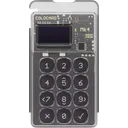
Coinkite Coldcard Mk4
Common Mistakes to Avoid
Storing recovery seeds online
Why it's dangerous
Digital storage of recovery seeds can be hacked, compromising your funds.
Do this instead
Store recovery seeds offline in secure, physical locations like a safe.
Relying on a single wallet for cold storage
Why it's dangerous
If your single wallet fails or is lost, your funds are at risk.
Do this instead
Use multiple cold storage devices in different secure locations.
Not updating wallet firmware
Why it's dangerous
Outdated firmware may contain vulnerabilities that could be exploited.
Do this instead
Regularly update your hardware wallet's firmware to stay protected.
Frequently Asked Questions
Common questions about hardware wallets and crypto security
What is the best cold storage wallet?
Can cold storage be hacked?
How should I store my recovery seed?
Is cold storage suitable for small amounts of crypto?
Ready to Choose Your Wallet?
Now that you have the knowledge, take the next step toward securing your crypto.