Hardware Wallet Security: Protecting Your Crypto While Traveling
Crossing borders with crypto? Learn how to protect your hardware wallet from seizure, forced unlock, and device inspection.

Introduction
TL;DR
- Border crossings pose unique risks to hardware wallet security.
- Threats include physical tampering, government surveillance, and confiscation.
- Best practices: use air-gapped wallets, avoid revealing seed phrases, and enable passphrases.
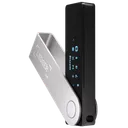
- Recommended wallets: Coinkite Coldcard Mk4, Trezor Safe 7, Ledger Nano X.
What is Hardware Wallet Security for Travelers?
Hardware wallets are physical devices that store private keys offline, offering robust protection for cryptocurrencies. When traveling, however, these wallets can be vulnerable to various threats, including physical theft, government inspections, and data interception. Understanding how to secure your wallet while on the move is crucial, especially when passing through airport security or international borders.
In this guide, we’ll explore the specific risks of traveling with a hardware wallet and provide actionable strategies to safeguard your assets. We'll focus on the process of securing your wallet, real-world threats, and best practices tailored for travelers.
Why Traveling with a Hardware Wallet is Risky
While hardware wallets are designed to protect crypto assets from hackers, they’re not immune to physical threats. Traveling with a hardware wallet introduces risks such as confiscation, tampering, or even coercion from border officials. Many countries have broad surveillance practices, and security screenings can include invasive procedures that target electronics, including wallets.
Additionally, if you're storing significant amounts of cryptocurrency, thieves may target you either in person or via other methods. Without the proper protection measures in place, your hardware wallet could become a vulnerability rather than an asset.
Top-Rated Wallets for This Use Case
View all wallets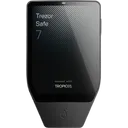
How Hardware Wallet Attacks Occur at Border Crossings
At border crossings, travelers are often subjected to stringent checks of their electronic devices. Customs agents may request to inspect your hardware wallet or even confiscate it for further examination. The risk is further compounded by the possibility of physical tampering during these checks. Attackers may use tools or techniques to access your wallet’s seed phrase, PIN, or private key without your knowledge.
Real-world examples of this threat include border control authorities in some countries demanding to unlock devices, including hardware wallets. With no way to verify that the device is unaltered, travelers can be left exposed to potential loss of funds. To prevent such breaches, physical security and encryption techniques are critical.
“I travel frequently for work and carry my hardware wallet across international borders. During a recent trip, I was asked by customs officers to open my wallet, despite having no reasonable cause to do so. This raised serious concerns about the physical security of my crypto storage, especially when dealing with border authorities that may not be trustworthy.”
Threat Actors
- border officials
- thieves
- hackers
Attack Vectors
- physical confiscation
- tampering with device
- intercepting communications
Assets at Risk
Your entire cryptocurrency portfolio, including any private keys or recovery phrases stored on the wallet.
Defense Strategies for Hardware Wallet Security
To mitigate the risk of attacks at borders, several defense strategies should be employed:
- Use air-gapped wallets: These wallets don’t require a direct connection to the internet, making them significantly harder to compromise. Options like Coinkite Coldcard Mk4 and Trezor Safe 7 provide this feature.
- Encrypt sensitive data: Use a passphrase or PIN to encrypt the device. Make sure it’s a unique, complex code that’s difficult for anyone to guess or brute force.
- Don’t store recovery phrases on the device: Instead, keep backup recovery phrases separate and store them in a secure location.
- Stay vigilant at checkpoints: Don’t allow security personnel to physically handle your wallet unless absolutely necessary. Consider keeping it out of sight and only show it if asked.
These strategies help reduce the likelihood of losing access to your assets, even if the wallet is seized for inspection.
What to Look For in a Wallet for Travel
Air-Gapped Signing
Must HaveAir-gapped wallets do not need to connect to the internet, reducing the attack surface significantly during travel. This is crucial to keep hackers or border authorities from accessing your crypto.
Matching wallets

Coinkite Coldcard Mk4

Coinkite Coldcard Q


Passphrase Support
Must HavePassphrases add an extra layer of protection, ensuring that even if someone gains access to your wallet, they won’t be able to use it without the correct passphrase.
Matching wallets
Coinkite Coldcard Mk4


Tamper-Evident Design
Nice to HaveTamper-evident features such as holograms or seals help you detect if someone has physically accessed or tried to alter your wallet during travel.
Matching wallets
Coinkite Coldcard Mk4


Multi-Signature Support
Nice to HaveMulti-signature support requires multiple approvals to access funds, providing an additional layer of protection against theft or coercion.
Matching wallets

Recommended Wallets for This Threat Model
For frequent travelers, we recommend wallets that offer robust physical security, air-gapped signing, and passphrase support. These wallets will help you mitigate the risks associated with traveling with cryptocurrency.
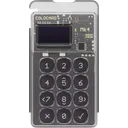
Coinkite Coldcard Mk4
Common Mistakes to Avoid
Leaving your recovery phrase in your wallet case
Why it's dangerous
If your wallet is confiscated or stolen, your recovery phrase will likely be compromised too.
Do this instead
Store recovery phrases separately and securely, not in the same place as your wallet.
Using a weak passphrase
Why it's dangerous
A weak passphrase can be easily guessed or cracked, leaving your crypto vulnerable.
Do this instead
Create a strong, unique passphrase with a mix of numbers, symbols, and letters.
Allowing border agents to handle your wallet
Why it's dangerous
Customs agents could tamper with your wallet or force you to unlock it, compromising your security.
Do this instead
Be cautious and refuse to unlock your wallet unless absolutely necessary.
Conclusion and Next Steps
Securing your hardware wallet while traveling requires diligence and the right strategies. By choosing a wallet with air-gapped signing, passphrase support, and tamper-evident features, you can ensure your crypto assets stay safe even during international trips. Always stay alert when passing through checkpoints, and follow best practices to safeguard your wallet from potential risks. With the proper precautions, you can confidently travel without compromising the security of your digital assets.
Next, assess your current hardware wallet against the criteria outlined here and consider upgrading to one that better suits your needs for travel security.
Frequently Asked Questions
Common questions about hardware wallets and crypto security
What is the safest way to travel with a hardware wallet?
Can my hardware wallet be confiscated at customs?
Should I keep my hardware wallet in my checked luggage?
What happens if someone steals my hardware wallet?
Ready to Choose Your Wallet?
Now that you have the knowledge, take the next step toward securing your crypto.