How to Protect Your Hardware Wallet from Physical Theft
What happens if someone steals your hardware wallet? How to set up layers of protection so theft alone cannot compromise your crypto.

Introduction
TL;DR
- Physical theft of hardware wallets can result in asset loss or compromise.
- Use tamper-evident designs, secure locations, and encryption to reduce risk.
- Avoid carrying wallets around unnecessarily or exposing them in unsafe environments.
- Implement multi-factor security, such as PINs and passphrases, to protect access.
What is Physical Theft of a Hardware Wallet?
Physical theft refers to the act of someone stealing your hardware wallet, whether by force or covertly. These devices store your private keys offline, making them a prime target for criminals seeking access to your cryptocurrency. Hardware wallets like Ledger, Trezor, and Coldcard are designed to keep your keys secure, but they can still be stolen if not adequately protected.
While theft of the device itself doesn’t necessarily mean loss of funds, if a thief can bypass the wallet's security (PINs, passphrases, etc.), they could potentially access your crypto. That’s why preventing physical theft is a key component of securing your digital assets.
Why Does Physical Theft Matter?
Physical theft is one of the most common and potentially devastating threats to your hardware wallet. If a thief gains access to your wallet and can bypass any security measures, they could steal your funds without much effort. Some wallets have strong protections like PIN codes, passphrases, and tamper-evident designs, but these protections can be rendered useless if the physical device is not properly secured.
Physical theft is a bigger risk for people who travel frequently, store their wallets in non-secure locations, or use low-quality devices without enhanced security features. Even if you don’t lose your wallet entirely, leaving it vulnerable can provide enough time for hackers to exploit weak points in your device’s security.
Top-Rated Wallets for This Use Case
View all wallets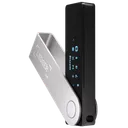
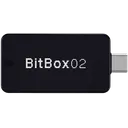
How Physical Theft Works and Real-World Examples
Physical theft can happen in various ways, from thieves stealing your wallet in a bag or luggage to attackers using more sophisticated methods like lockpicking or cloning your device in transit. Some hackers have even been known to employ social engineering, manipulating targets into revealing their PINs or passwords.
For example, there have been instances where crypto enthusiasts were targeted while traveling, and thieves stole their hardware wallets from hotel rooms. In another case, a hacker gained physical access to a crypto entrepreneur’s office and copied their wallet’s encryption keys, leading to the theft of millions in crypto assets.
Defense Strategies Against Physical Theft
The best way to defend against physical theft is to treat your hardware wallet with the same level of care as any high-value asset. Start by using wallets with tamper-evident designs and encryption features like passphrases and PINs. If possible, store your wallet in a secure location, such as a safe, and avoid leaving it in easily accessible or visible places.
Additionally, consider keeping a backup of your recovery phrase in a secure, offline location (separate from your wallet). Some wallets offer advanced features like multi-signature support and full node features that make it harder for unauthorized parties to access your funds even if they steal your device.
What to Look For in a Wallet
Tamper-Evident Design
Must HaveA wallet with a tamper-evident design makes it easy to tell if someone has tried to access your device. This is crucial for detecting physical theft or unauthorized tampering.


Secure Element Chip
Must HaveA secure element chip ensures that your private keys are safely stored and encrypted, making it more difficult for thieves to access your funds if they steal the device.
Passphrase Support
Must HavePassphrases add an additional layer of security by making it harder for a thief to access your crypto, even if they have physical access to the device.
Matching wallets

Full Offline Functionality
Nice to HaveA wallet that allows full offline functionality ensures that your device doesn’t need to be connected to the internet, reducing the chance of remote hacks if it's stolen.
Recommended Wallets for This Threat Model
These wallets are recommended for users concerned about physical theft. They offer the strongest physical and security features to safeguard your assets.
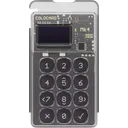
Coinkite Coldcard Mk4
Common Mistakes to Avoid
Storing recovery phrases and hardware wallet together
Why it's dangerous
If a thief steals both, they have full access to your crypto.
Do this instead
Store the recovery phrase in a secure, separate location from your hardware wallet.
Carrying your hardware wallet everywhere
Why it's dangerous
The more you carry it, the higher the risk of losing it or having it stolen.
Do this instead
Only take your hardware wallet when necessary and use secure storage when not in use.
Ignoring wallet updates and security patches
Why it's dangerous
Outdated wallets may have vulnerabilities that hackers can exploit.
Do this instead
Regularly check for firmware updates to ensure your wallet is protected from new threats.
Conclusion and Next Steps
Protecting your hardware wallet from physical theft is essential for safeguarding your crypto assets. By following the tips and strategies outlined in this guide, you can reduce the risk of theft and ensure that your crypto remains safe. Start by choosing a secure wallet with features like tamper-evident designs and passphrase support. Then, store your wallet in a secure location and avoid carrying it unnecessarily.
As you grow your crypto portfolio, always stay updated on new security practices and remember: the more layers of protection you add, the safer your assets will be.
Frequently Asked Questions
Common questions about hardware wallets and crypto security
What happens if my hardware wallet is stolen?
Can I recover my funds if my hardware wallet is lost or stolen?
How do I know if my hardware wallet is tampered with?
Is it safe to store my hardware wallet at home?
Ready to Choose Your Wallet?
Now that you have the knowledge, take the next step toward securing your crypto.