DeFi Threat Model: Secure Trading for Advanced Users
DeFi users face unique threats: malicious approvals, rug pulls, front-running. How to use hardware wallets for active DeFi securely.

Introduction
TL;DR
- DeFi traders face threats from compromised private keys, phishing, smart contract vulnerabilities, and more.
- Active users must consider how attacks like social engineering, man-in-the-middle, and malware can impact security.
- Securing wallets, using hardware devices, and leveraging strong authentication methods are essential.
- Best practices include understanding attack vectors, using air-gapped devices, and staying updated on security threats.
What is the Threat Model for DeFi Traders?
When you engage in decentralized finance (DeFi) trading, you aren't just dealing with crypto assets but a complex ecosystem of decentralized apps, smart contracts, and peer-to-peer interactions. This introduces unique security concerns that are often more sophisticated than traditional crypto risks. The threats in the DeFi space span from technical vulnerabilities in smart contracts to social engineering tactics targeting your wallet's private keys.
Understanding these threats is crucial because active DeFi traders constantly interact with various platforms that can be vulnerable to attacks. Whether you're lending, staking, or simply swapping tokens, your assets could be at risk from multiple angles, from phishing attacks to poorly audited smart contracts. In this guide, we’ll walk you through the specific threats to consider and how to mitigate them.
How Do DeFi Attacks Work?
DeFi attacks come in various forms, but they typically exploit vulnerabilities in either the infrastructure (smart contracts, wallets) or in the users themselves (social engineering). For example, a smart contract vulnerability might allow an attacker to drain funds from a liquidity pool by exploiting code flaws, while a phishing attack could trick you into revealing your wallet's private key.
One of the most common attack vectors is the use of malicious or insecure smart contracts. If a contract isn't properly audited, it could include flaws that attackers can exploit, leading to the loss of assets. Similarly, compromised wallets—through malware, phishing, or physical theft—put users in danger of losing their funds, especially if private keys or recovery phrases are exposed.
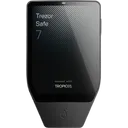
Top-Rated Wallets for This Use Case
View all wallets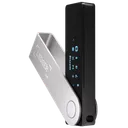
The Types of Threats Active DeFi Traders Face
As an active DeFi trader, there are a few key types of threats you should be aware of. These include:
- Phishing Attacks: Scammers impersonate legitimate DeFi platforms or wallet providers to trick you into revealing private keys or recovery phrases.
- Smart Contract Exploits: Vulnerabilities in the code of decentralized applications (dApps) can be used to manipulate funds, exploit liquidity pools, or front-run transactions.
- Man-in-the-Middle Attacks: If you're interacting with dApps over unsecured networks (e.g., public Wi-Fi), attackers can intercept your data, including private keys.
- Malware and Keyloggers: Malicious software that tracks keystrokes or scans for your private keys and recovery phrases can give attackers direct access to your wallet.
Each of these threats can result in financial loss, and understanding how they work is the first step toward mitigating risk.
“I’m an active DeFi trader who frequently accesses decentralized exchanges (DEXs) to trade tokens. I often use my laptop on public Wi-Fi or untrusted networks, and while I take security precautions, I still need to be aware of advanced attack scenarios.”
Threat Actors
- Phishers
- Malicious actors
- Hackers
Attack Vectors
- Public Wi-Fi
- Phishing websites
- Compromised DApps
Assets at Risk
The risk includes the loss of assets held in liquidity pools, personal wallet funds, and even the potential exposure of recovery phrases or private keys.
Real-World Examples of DeFi Attacks
Several high-profile DeFi attacks have been conducted in recent years, illustrating the real dangers faced by active traders. One such attack occurred with the bZx protocol in 2020, where an attacker exploited a smart contract vulnerability to manipulate the price of an asset and drained millions in user funds. In another case, a DeFi exchange was targeted by a phishing campaign that led to the theft of funds from unsuspecting users who connected their wallets to a fake platform.
These examples underscore the importance of thorough contract audits, due diligence before using new platforms, and being cautious of suspicious links or communications that could lead to phishing attacks.
How to Defend Against DeFi Threats
There are several strategies you can implement to protect yourself while engaging in DeFi trading:
- Use Hardware Wallets: A hardware wallet provides an air-gapped solution, meaning private keys are stored offline and remain secure from online threats like phishing and malware.
- Multi-Signature Wallets: Multi-signature setups increase the security of your wallet by requiring multiple private keys to authorize transactions.
- Security Audits: Always choose DeFi platforms that are regularly audited by reputable third parties. Avoid interacting with new or unaudited smart contracts.
- Be Cautious of Phishing: Always verify that the website you’re using is legitimate, especially when entering sensitive information like your private keys or recovery phrases. Using a password manager and two-factor authentication (2FA) adds additional layers of protection.
- Stay Offline: For high-value holdings, consider storing your crypto assets in a fully offline, air-gapped wallet that is not connected to the internet.
By taking these steps, you can significantly reduce your exposure to common DeFi attacks.
What to Look for in a Wallet
Passphrase Support
Must HavePassphrase support is crucial for securing your wallet against theft. If an attacker gains access to your private key, a passphrase adds an additional layer of protection.


Air-Gapped Signing
Must HaveAir-gapped wallets ensure that private keys never come into contact with an online device, preventing exposure to malware or network-based attacks.
Matching wallets

Multi-Signature Support
Nice to HaveMulti-signature wallets require more than one key to authorize a transaction, which increases security by requiring multiple parties or devices to approve each action.
Evil Maid Protection
Nice to HaveEvil Maid protection is essential to defend against physical attacks on your wallet, especially if you're traveling or storing your wallet in a less-secure environment.

Recommended Wallets for This Threat Model
The following wallets are recommended for DeFi traders facing high security risks. They offer the best combination of physical security, air-gapped technology, passphrase support, and multi-signature support.
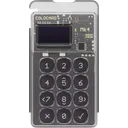
Coinkite Coldcard Mk4
Common Mistakes to Avoid
Using software wallets on compromised devices
Why it's dangerous
Software wallets are vulnerable to malware and keyloggers on compromised devices, increasing the risk of theft.
Do this instead
Use hardware wallets for storing large amounts of crypto and keep your software wallets on secure, isolated devices.
Reusing recovery phrases
Why it's dangerous
Reusing recovery phrases between wallets or platforms increases the risk of exposure if one of them is compromised.
Do this instead
Use unique recovery phrases for each wallet and platform you use.
Overlooking smart contract audits
Why it's dangerous
Engaging with unaudited or poorly audited smart contracts can expose you to vulnerabilities that attackers can exploit.
Do this instead
Always verify that smart contracts have been audited by trusted third-party auditors before interacting with them.
Conclusion & Next Steps
DeFi trading offers substantial rewards, but it also requires a proactive approach to security. By understanding the risks, staying aware of the latest attack vectors, and implementing best practices like using hardware wallets and multi-signature setups, you can significantly reduce your exposure to threats. Make sure to audit your smart contracts, avoid phishing scams, and stay updated on the latest security tools and techniques.
Your next steps should include setting up a hardware wallet if you haven’t already, auditing your current security practices, and learning more about multi-sig and air-gapped wallet options for added protection.
Frequently Asked Questions
Common questions about hardware wallets and crypto security
What is the best way to secure my DeFi wallet?
How can I avoid phishing scams in DeFi?
Why should I use multi-signature wallets in DeFi?
Can hardware wallets protect against malware attacks?
Ready to Choose Your Wallet?
Now that you have the knowledge, take the next step toward securing your crypto.