Advanced Guide to Setting Up Decoy Wallets and Plausible Deniability
Hidden wallets behind passphrases, duress PINs, and decoy accounts. How to set up plausible deniability for your crypto holdings.

Introduction
TL;DR
- Decoy wallets can mislead attackers, protecting your real funds.
- Plausible deniability involves creating a fake wallet that looks like the real one.
- Using multiple hardware wallets with hidden wallets and passphrases strengthens security.
- Security measures like air-gapped wallets and multisig setups can enhance defense.
What are Decoy Wallets and Plausible Deniability?
Decoy wallets are fake wallets created to appear legitimate to attackers, diverting their attention away from the real wallet. Plausible deniability takes this a step further, ensuring that you can convincingly deny possession of your actual wallet under duress.
By using fake wallets, you add a layer of misdirection, making it far more difficult for an attacker to identify your real crypto holdings. This strategy is particularly useful in high-risk situations, such as traveling through border control or facing a targeted attack.
How Decoy Wallets Work
Setting up decoy wallets typically involves using a hardware wallet that supports hidden wallets and passphrases. Hidden wallets are essentially wallets stored within your device that are only accessible with a specific passphrase. If an attacker demands your crypto holdings, you can present the decoy wallet, which looks legitimate but contains little to no funds.
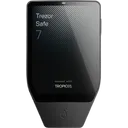
The attacker sees the decoy wallet, believes it’s the real wallet, and moves on. Meanwhile, your real wallet remains secure. You can set up these wallets using devices like Ledger, Trezor, or BitBox, all of which support hidden wallets and passphrase protection.
Top-Rated Wallets for This Use Case
View all wallets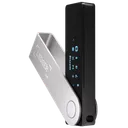
Why Plausible Deniability Matters
Plausible deniability gives you the ability to protect your assets by providing a convincing excuse to attackers, even under duress. By presenting a decoy wallet and denying access to your real crypto holdings, you make it significantly harder for attackers to determine whether or not you have more valuable assets.
This strategy is especially important in high-risk environments, where you could be physically coerced into revealing your crypto wallet. It allows you to confidently protect your assets without raising suspicion, even if forced to comply with a thief's demands.
Key Considerations for Setting Up a Decoy Wallet
When setting up a decoy wallet, consider a few key factors: security, plausibility, and redundancy. Your decoy wallet must appear real enough to fool attackers but also contain enough funds to seem convincing.
Also, think about the physical and digital security of your hardware wallet. Using features like air-gapped signing, passphrase protection, and tamper-evident design ensures that attackers cannot easily access your real wallet even if they gain control of your decoy wallet.
Common Mistakes to Avoid
A common mistake is failing to make the decoy wallet look real enough. If the attacker sees an empty or very small wallet, they may become suspicious and demand access to the real one. Always ensure your decoy wallet contains a convincing amount of funds.
Another mistake is relying too heavily on a single form of protection. It’s important to combine decoy wallets with other security features like air-gapped wallets or multisig setups to add multiple layers of defense.
Best Practices for Creating Decoy Wallets
To create a robust decoy wallet, follow these best practices:
- Set up hidden wallets with strong passphrases. Ensure these passphrases are different from your main wallet's passphrase to add an additional layer of complexity.
- Store your decoy wallets in a way that makes them easy to access in case you need to present them quickly during a stressful situation.
- Use wallets with air-gapped signing and other advanced security features to protect both your decoy and real wallets from hacking attempts.
- Ensure the amount in the decoy wallet is reasonable and convincing enough to avoid suspicion.
Who Should Use Decoy Wallets?
Anyone holding significant cryptocurrency assets may benefit from decoy wallets. These are especially useful for individuals who travel internationally, work in high-risk areas, or face threats like targeted attacks or kidnapping.
If you live in a country with high crime rates or are involved in industries that make you a prime target for extortion, decoy wallets can be an essential security measure. They add another layer of defense when physical threats become a real possibility.
Conclusion and Next Steps
In a world of increasing crypto theft and targeted attacks, setting up decoy wallets and using plausible deniability can be a game-changer for your security. By following the best practices outlined above, you can better protect your digital assets, ensuring that even in high-risk situations, you have a secure way of hiding your real wallet.
Start by choosing a hardware wallet that supports hidden wallets and passphrases. Then, make sure to set up multiple decoy wallets with realistic amounts, and combine them with other security measures like air-gapped signing and multisig. Your security is only as strong as the layers you build around it.
“I travel frequently for work and carry my hardware wallet across international borders. I’ve been in situations where I could be forced to hand over my wallet by customs officers or criminals. Using decoy wallets gives me peace of mind that my real funds are safe, even if my wallet is confiscated.”
Threat Actors
- Customs officers
- Criminals
Attack Vectors
- Coercion
- Theft
Assets at Risk
If the real wallet is accessed, I could lose all my crypto holdings.
What to Look for in a Wallet
Passphrase Support
Must HavePassphrase support is essential for creating hidden wallets within your device. Without it, you won't be able to set up decoy wallets.


Air-Gapped Signing
Must HaveAir-gapped signing ensures your private keys never come into contact with an internet-connected device, which is vital for protecting both decoy and real wallets.
Matching wallets

Multisig Support
Nice to HaveUsing multisig (multiple signatures) adds an extra layer of security, ensuring that even if someone gains access to one wallet, they cannot access your funds without additional approvals.

Hidden Wallets
Must HaveHidden wallets let you create decoy wallets inside your hardware wallet, which is essential for plausible deniability in high-risk situations.
Matching wallets

Coinkite Coldcard Mk4

Recommended Wallets for This Threat Model
These wallets are highly recommended for setting up decoy wallets and providing the highest level of security for your assets.
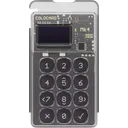
Coinkite Coldcard Mk4
Common Mistakes to Avoid
Setting up an empty decoy wallet
Why it's dangerous
An empty decoy wallet can raise suspicion if accessed by an attacker.
Do this instead
Always ensure your decoy wallet has a reasonable amount of funds to appear legitimate.
Relying on a single security measure
Why it's dangerous
Relying on just one security measure like a decoy wallet can leave you vulnerable.
Do this instead
Combine decoy wallets with other security practices like air-gapped wallets and multisig setups.
Using easily guessable passphrases
Why it's dangerous
Weak passphrases can be cracked, allowing an attacker to access both your decoy and real wallets.
Do this instead
Use complex and unique passphrases for each hidden wallet.
Frequently Asked Questions
Common questions about hardware wallets and crypto security
How do I set up a decoy wallet?
What is plausible deniability in crypto?
Are decoy wallets 100% secure?
Can I use multiple decoy wallets?
Ready to Choose Your Wallet?
Now that you have the knowledge, take the next step toward securing your crypto.