Balancing Speed and Security in Day Trading with Hardware Wallets
Active traders need fast transactions but also security. How to balance speed and safety with hardware wallets for frequent trading.

Introduction
TL;DR
- Hardware wallets offer robust security for crypto assets but introduce delays in transaction signing.
- Speed and security are a delicate balance when day trading with hardware wallets.
- Cold storage solutions such as hardware wallets can protect assets but slow down the trading process.
- Key considerations include wallet features like passphrase support, air-gapped signing, and the potential for multisig setups.
What is Day Trading with Hardware Wallets?
Day trading in cryptocurrency involves buying and selling assets rapidly within the same day, aiming to capitalize on small price fluctuations. For most traders, using software wallets might seem like the faster option due to quicker access and transaction times. However, many advanced traders use hardware wallets to protect large sums from hackers and breaches, given that hardware wallets store private keys offline, preventing remote attacks.
By pairing the speed of day trading with the cold storage security of hardware wallets, traders can enhance their protection while navigating the risks of fast-paced markets. This practice, however, comes with its challenges in balancing the speed of trades and the security level of cold storage.
How Day Trading with Hardware Wallets Works
When you use a hardware wallet for day trading, you must connect the wallet to a compatible trading platform or wallet interface. After you initiate a trade, the hardware wallet signs the transaction offline, ensuring your private key never leaves the device. While this offers exceptional security, the process can slow down trades compared to software wallets, which have instant access to keys for quicker signing.
Once the transaction is signed and confirmed on the blockchain, the asset is either transferred to the exchange or kept in your cold storage for future use. The process typically requires you to manually approve each transaction on the hardware wallet, which may cause delays, especially in volatile markets.
Top-Rated Wallets for This Use Case
View all wallets
Why It Matters: Balancing Speed and Security
The need for speed in day trading conflicts directly with the strong security offered by hardware wallets. Every second counts when making split-second decisions, but by using hardware wallets, you add several steps to the process. For traders handling large sums of money or sensitive assets, the risk of using software wallets without hardware protection can be a major issue.
However, day trading with hardware wallets isn't without its benefits. The key advantage is security, as these wallets make it extremely difficult for malicious actors to gain access to your funds remotely. If security is your priority, then using a hardware wallet is non-negotiable, even at the cost of transaction speed.
Key Considerations When Using Hardware Wallets for Day Trading
When incorporating hardware wallets into day trading, there are several important factors to consider:
- Wallet Interface: Choose a wallet that can integrate well with trading platforms or exchange APIs, such as those that support WalletConnect or similar connectivity features.
- Speed of Signing: Some hardware wallets are faster than others when it comes to signing transactions. Look for devices that allow you to store multiple accounts or pre-signed transactions for quicker access.
- Backup and Recovery: Ensure your wallet has strong recovery options like passphrase support or multi-card backup in case of device failure.
- Transaction Limits: Some wallets impose transaction limits, which could impact your trading flexibility.
Common Mistakes to Avoid
Some common mistakes when using hardware wallets for day trading include:
- Not Testing the Setup: Ensure your hardware wallet is properly configured and connected to your trading platform before executing live trades.
- Overestimating Security: Just because a wallet is secure doesn't mean it's impervious to all risks. Be mindful of attack vectors like supply chain attacks or malware.
- Ignoring Backup Plans: Always have a backup for your recovery phrase and multisig setups to avoid losing access to your assets.
Best Practices for Day Trading with Hardware Wallets
To safely day trade using hardware wallets, follow these best practices:
- Choose Wallets with Fast Recovery Options: Multi-card backup or Shamir backups are essential for ensuring that you can quickly recover from any device failure.
- Use Multi-Signature Setups: A multisig setup is a great way to add layers of security, requiring multiple devices to authorize transactions.
- Test Backup Methods: Before executing any trades, test your backup and recovery system to ensure it functions as expected.
- Stay Updated: Hardware wallet firmware should be kept up-to-date to avoid any security vulnerabilities that could be exploited by attackers.
“I’m a day trader who frequently executes multiple trades throughout the day. I use a hardware wallet to store my assets securely, but the slow transaction signing time has been a consistent pain point for me. I need to balance the security of my funds with the speed of trade execution.”
Threat Actors
- hackers
- malicious insiders
Attack Vectors
- supply-chain attack
- malware
- phishing
Assets at Risk
My assets, especially during volatile market conditions, could be compromised if I lose access to my wallet or experience delays in signing transactions.
How the Attack Works
The primary attack vector is a supply chain attack, where a malicious actor could compromise the security of the hardware wallet before it reaches you. This can lead to the exposure of private keys or wallet data. Additionally, software vulnerabilities and phishing attacks targeting wallet interfaces could provide hackers with access to your funds if you aren't cautious.
Another risk comes from malware on devices used to interact with the wallet, which could capture sensitive information such as recovery phrases or transaction details during signing procedures.
Real-World Examples of Hardware Wallet Risks
There have been instances of hardware wallet users falling victim to phishing attacks where attackers impersonate official wallet providers to steal private keys. In 2020, for example, a large-scale phishing campaign targeted Ledger users, leading to compromised accounts.
Furthermore, a well-known supply chain attack affected hardware wallet manufacturers, raising concerns over the safety of receiving pre-ordered wallets directly from unverified sources. These events highlight the importance of verifying your wallet’s source and using secure transaction practices.
What to Look For in a Wallet
Passphrase Support
Must HaveThis is critical for ensuring additional protection for your assets, especially for a high-risk threat like supply-chain attacks.
Matching wallets


Air-Gapped Signing
Must HaveAir-gapped wallets protect against malware and phishing, which is crucial for day trading with hardware wallets.
Matching wallets

Coinkite Coldcard Mk4


Multisig Support
Nice to HaveMultisig adds an extra layer of security by requiring multiple devices to authorize transactions.
Matching wallets

Tamper-Evident Design
Nice to HaveTamper-evident design ensures that the hardware wallet hasn’t been compromised during shipping, an important factor for securing your assets.
Matching wallets
Coinkite Coldcard Mk4

Recommended Wallets for This Threat Model
These wallets offer the best balance of security and speed for day traders, with features tailored to mitigate the risks mentioned.
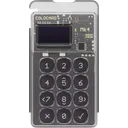
Coinkite Coldcard Mk4
Common Mistakes to Avoid
Relying on a single device for multisig
Why it's dangerous
Using only one device for a multisig setup exposes your assets to risks if that device is compromised.
Do this instead
Ensure you have at least two secure devices to authorize transactions in a multisig setup.
Not regularly testing backup recovery options
Why it's dangerous
If your wallet fails, you may lose access to your funds if your backup method isn't properly tested.
Do this instead
Test your wallet’s backup and recovery processes regularly to ensure it works under all conditions.
Conclusion & Next Steps
Using hardware wallets for day trading in crypto requires balancing the need for speed and security. To make sure you're prepared, choose wallets with fast transaction signing times, multisig capabilities, and reliable backup options. Ensure that your devices are sourced securely, and regularly test your recovery plans. By taking the right precautions, you can safeguard your assets while actively trading in volatile markets.
Frequently Asked Questions
Common questions about hardware wallets and crypto security
What are the risks of day trading with hardware wallets?
How can I speed up my trades while using a hardware wallet?
Can I use hardware wallets for high-frequency trading?
Which hardware wallet is best for day trading?
Ready to Choose Your Wallet?
Now that you have the knowledge, take the next step toward securing your crypto.