How to Secure Your Crypto Assets During Divorce and Asset Separation
Divorce creates adversarial access scenarios. How to protect and properly disclose crypto during legal separation.

Introduction
TL;DR
- Divorce introduces unique risks to the security of crypto assets.
- Ensure wallets are securely separated and encrypted to avoid unauthorized access.
- Protect sensitive information like private keys, recovery phrases, and passcodes.
- Use a trusted hardware wallet to safeguard assets, and be cautious of shared access.
What Crypto Security Means During Divorce
Crypto security during divorce isn't just about protecting the assets, but also preventing unauthorized access during a potentially contentious process. Divorce proceedings can lead to a loss of control over personal finances, including digital assets. Protecting your crypto holdings is crucial to ensuring they aren’t mistakenly shared or lost during separation.
Digital assets like cryptocurrencies are decentralized, meaning they are not tied to a bank or government institution. This gives individuals full control but also full responsibility. Without the proper security measures, there's a risk of asset theft or mismanagement.
Why It Matters: Protecting Your Crypto Assets
Protecting crypto assets during a divorce is about more than just preventing theft—it’s about preventing financial loss. If one spouse gains access to a wallet or recovery phrase, they can drain the account without the other party's knowledge. Worse, if both parties share custody of the keys, disputes may arise over who controls the funds.
Crypto is often seen as a high-value asset class in modern divorce cases. Without clear protections in place, it could become a major point of contention. Additionally, without the right precautions, crypto assets could be permanently lost if the keys are shared or misplaced.
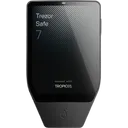
Top-Rated Wallets for This Use Case
View all wallets
Common Mistakes to Avoid During Divorce
During divorce, individuals may be quick to trust that their crypto assets will remain secure, but common mistakes can open the door to unauthorized access. One common mistake is sharing recovery phrases or private keys with spouses or attorneys. These details should remain private and should never be shared unless absolutely necessary.
Another mistake is failing to use hardware wallets or secure backups, assuming that software wallets or exchanges are sufficient. Hardware wallets are less vulnerable to hacking and can protect your funds even if a personal device is compromised.
Best Practices for Securing Crypto During Divorce
First and foremost, ensure that both parties in the divorce do not have access to the private keys or recovery phrases. Store these in separate, secure locations, such as safe deposit boxes or encrypted digital vaults. It’s also crucial to update all passwords associated with crypto accounts and wallets.
Consider using a hardware wallet, as it offers strong protection against unauthorized access. Many hardware wallets come with features like passphrase support, multi-signature setups, and even tamper-evident designs. These tools offer an added layer of security, which can help prevent malicious actors from gaining control of your funds during this sensitive time.
Who Should Use This Guide
This guide is for anyone going through a divorce who owns crypto assets. Whether you have a few tokens or a substantial portfolio, understanding the security risks and taking steps to protect your holdings is crucial. If you and your spouse have joint access to crypto wallets or accounts, it’s especially important to take immediate action to separate access to these assets.
This guide is also valuable for legal professionals handling divorce cases involving digital assets, as it provides insight into best practices for crypto security during asset separation.
Conclusion: Taking Control of Your Crypto Security
In a divorce, securing your crypto assets is just as important as securing any other asset. By understanding the risks, avoiding common mistakes, and implementing best practices, you can safeguard your funds from potential disputes or theft. Be proactive and make sure your assets are in safe hands—yours.
The key takeaway is to prioritize separation of access, use hardware wallets, and keep sensitive information under tight control. Crypto security is in your hands, so don’t leave it to chance during such a critical period.
What to Look For in a Wallet
Passphrase Support
Must HaveA passphrase adds an extra layer of security. Without it, your crypto could be accessed by anyone with your recovery phrase.


Multi-Signature Support
Nice to HaveMulti-signature adds a layer of defense by requiring multiple parties to sign off before transactions can occur.

Tamper-Evident Design
Must HaveA tamper-evident design ensures that physical manipulation of the wallet will be evident, preventing covert tampering during the divorce process.
Matching wallets
Air-Gapped Signing
Must HaveAir-gapped wallets are not connected to the internet, making them significantly less vulnerable to remote hacking attempts.
Matching wallets


Recommended Wallets for This Threat Model
These wallets are recommended because they offer robust security features like passphrase support, multi-signature, and tamper-evident designs, making them ideal for protecting your assets during a divorce.
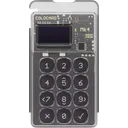
Coinkite Coldcard Mk4
Common Mistakes to Avoid
Failing to update recovery phrases
Why it's dangerous
Leaving old recovery phrases accessible to a spouse can allow them to access your assets.
Do this instead
Change your recovery phrases immediately and store them securely.
Using shared wallets or accounts
Why it's dangerous
Shared access can lead to disputes and unauthorized transactions during a divorce.
Do this instead
Transfer assets to a personal, secure wallet that only you control.
Next Steps to Protect Your Crypto Assets
Now that you understand the risks and steps to protect your crypto during a divorce, it’s time to take action. Review your current wallet setup, consider moving assets to a more secure platform, and seek legal advice if necessary. Protecting your digital assets isn’t just about securing them from theft, but also ensuring they’re properly accounted for during your divorce settlement.
By being proactive, you can ensure that your crypto assets remain secure and under your control throughout the process.
Frequently Asked Questions
Common questions about hardware wallets and crypto security
What happens if my spouse has access to my crypto recovery phrase?
Should I move my crypto assets during divorce?
How can I ensure my crypto wallet is secure during a divorce?
Can I store crypto safely in a shared wallet during divorce?
Ready to Choose Your Wallet?
Now that you have the knowledge, take the next step toward securing your crypto.