How to Secure Your Crypto Setup from Home Invasion and Burglary
Burglars target crypto holders specifically. How to hide, split, and protect your wallet setup and seed phrase backups at home.

Introduction
TL;DR
- Physical theft or forced access can lead to losing control of your crypto.
- Use hardware wallets with advanced security features (e.g., passphrase support, air-gapped signing).
- Consider offsite backups and multi-signature configurations for added protection.
- Proper storage, like a safe or vault, and security practices are key to preventing loss.
What is Home Invasion and Burglary in Crypto Security?
Home invasions and burglaries are real threats for anyone holding significant cryptocurrency assets. In these situations, attackers break into your home to steal physical items—like hardware wallets—containing access to your crypto holdings. With the rise of digital assets, criminals have begun targeting individuals for their crypto storage devices, often using extreme methods to extract passwords or PINs from victims. In this guide, we'll examine how such attacks unfold, how to defend against them, and which wallet features offer the best protection.
Understanding the psychology of these attackers can help you take preventive measures. Criminals may rely on physical coercion, or they may take advantage of a lack of security awareness. Protecting your crypto setup requires more than just locking your doors—it involves proactive, strategic decisions around how and where to store your hardware wallets and whether they’re protected by multi-layered security features.
Why Home Invasion and Burglary Matter in Crypto Security
The importance of securing your hardware wallet goes beyond just locking up your house. A successful attack on your crypto storage means that not only your physical wallet could be taken, but your entire portfolio could be compromised. Attackers with access to your hardware wallet can easily transfer assets, especially if you've neglected to use added protections like passphrases, multi-signature configurations, or seed phrase obfuscation.
More than just a loss of a device, these types of attacks represent a very personal and invasive breach of privacy. They also highlight the limitations of relying on purely digital or online solutions for security. While encryption is key for digital security, physical security—especially when crypto assets are involved—demands additional steps to prevent access, theft, or manipulation of your hardware wallet.
Top-Rated Wallets for This Use Case
View all wallets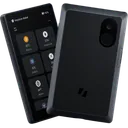
How Do Home Invasions Affect Your Crypto Assets?
Home invasions targeting crypto assets typically involve attackers searching for your hardware wallet. Once found, they may attempt to access it using brute force or psychological manipulation to obtain your PIN, passphrase, or seed phrase. Some criminals go as far as threatening victims or using sleep-deprivation tactics to force them to reveal their crypto access details. The process is simple: attackers get the wallet, crack the security measures, and transfer funds to their own accounts.
In more sophisticated cases, thieves may use covert methods like surreptitiously photographing or copying your security details. That's why it’s critical to use wallets with strong security features like tamper-evident designs, air-gapped signing, and passphrase protection. Without these protections, once a thief gains physical access to the wallet, they can effectively take over your entire crypto portfolio.
Real-World Example of Crypto Theft in a Home Invasion
In 2021, a prominent crypto investor in the United States was the victim of a home invasion. The attackers were well-informed about the individual’s crypto holdings and knew that they stored their wallet in a safe. After forcibly entering the home, the criminals coerced the victim into revealing the access PIN for their hardware wallet. Despite having a strong password and encryption, the lack of a passphrase meant that the attackers could easily access and steal the entire crypto portfolio. This breach was a stark reminder of how physical security must complement digital protections.
Attacks like these are more common than we think, and many people are underprepared. Therefore, planning your defense strategy should involve both securing the physical wallet and implementing robust technical features that make it harder for thieves to access your funds, even if they have the hardware in hand.
Defense Strategies: Protecting Your Crypto from Theft
To defend against home invasions and theft, the first step is securing your hardware wallet physically. Store it in a high-quality safe that is both fireproof and tamper-evident. The location of the safe matters as well—keep it hidden but accessible in case of emergency. For high-value assets, consider multiple layers of physical security, such as offsite backups or vault storage.
Second, use wallets that provide additional protection features like passphrase support, which makes it significantly harder for thieves to access your assets even with the wallet in their possession. Air-gapped wallets are another good defense, as they prevent any physical connection to a computer or phone, ensuring that attackers can’t manipulate the wallet remotely. Also, consider a multi-signature setup, where multiple people or devices are required to authorize a transaction—this adds an extra layer of complexity for any potential attacker.
What to Look for in a Hardware Wallet for Maximum Security
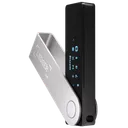
When choosing a hardware wallet to secure against home invasions, look for key features that enhance physical security. A secure element, like the one found in wallets such as the Coinkite Coldcard Mk4 or Ledger Nano X, is essential for storing sensitive data like private keys. These secure elements prevent unauthorized extraction of data, even if the device is physically compromised.
Next, prioritize wallets that offer passphrase support and hidden wallets, such as the Ledger Nano X or Trezor Safe 7. These features provide an additional layer of encryption that makes it more difficult for criminals to access funds. For the utmost physical security, air-gapped wallets like the Coinkite Coldcard Mk4 and Keystone Pro 3 eliminate the risk of remote attacks altogether by ensuring that transactions are signed offline.
What to Look For in a Wallet
Passphrase Support
Must HaveThis feature ensures that even if an attacker gains physical access to your wallet, they still need an additional passphrase to access your funds.
Matching wallets


Coinkite Coldcard Mk4


Air-Gapped Signing
Must HaveAir-gapped wallets do not connect to any online network, ensuring that attackers cannot access your wallet remotely.
Matching wallets
Coinkite Coldcard Mk4


Secure Element
Must HaveA secure element is crucial to protect your private keys and cryptographic data from physical attacks.
Matching wallets
Coinkite Coldcard Mk4


Multi-Signature Support
Nice to HaveMulti-signature wallets require multiple parties or devices to approve a transaction, making it more difficult for attackers to execute fraudulent transfers.
Recommended Wallets for This Threat Model
These wallets have been selected based on their robust security features and physical protection against theft.
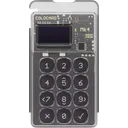
Coinkite Coldcard Mk4
Common Mistakes to Avoid
Storing the seed phrase with the hardware wallet
Why it's dangerous
If both the wallet and the seed phrase are taken, your crypto is fully exposed.
Do this instead
Store your seed phrase in a separate, secure location, such as a safe deposit box.
Relying only on device PINs for security
Why it's dangerous
A PIN can be easily compromised with physical coercion or brute force attacks.
Do this instead
Use a passphrase and multi-signature setup to secure your wallet.
Ignoring offsite backups
Why it's dangerous
If your hardware wallet is stolen or destroyed, having no backup could mean a total loss of assets.
Do this instead
Ensure that you have offsite, encrypted backups of your wallet’s seed phrase.
Conclusion: Next Steps to Secure Your Crypto Setup
Securing your crypto assets from physical threats requires thoughtful planning and the use of advanced hardware wallet features. Start by selecting a wallet with a secure element, passphrase support, and air-gapped signing to ensure the highest level of protection. Keep your wallet in a secure location, and always have an encrypted offsite backup ready. Regularly review your security setup and stay aware of potential threats to keep your assets safe.
By implementing these strategies, you'll reduce the risk of losing your crypto in the event of a home invasion or burglary. Take the time to secure your hardware wallet now—your assets are worth it.
Frequently Asked Questions
Common questions about hardware wallets and crypto security
How do I protect my hardware wallet from theft?
Can a hardware wallet be hacked if stolen?
What are air-gapped wallets, and why are they important?
Should I use multi-signature for my hardware wallet?
Ready to Choose Your Wallet?
Now that you have the knowledge, take the next step toward securing your crypto.