Software Wallets
Understand how software wallets work alongside hardware wallets. Companion app guides, hot wallet risks, and when a software wallet is enough.
Software wallets — also called hot wallets — are apps that manage your crypto from a phone or computer. They're convenient, but they keep your private keys on an internet-connected device. These guides explain when that tradeoff makes sense and when it doesn't.
We also cover companion apps (like Ledger Live and Trezor Suite) that connect to your hardware wallet. Understanding how these apps interact with your device is essential for safe daily use.
Important: we're a hardware wallet review site, and we believe cold storage is the gold standard for any meaningful crypto holdings. But we won't pretend software wallets don't have legitimate use cases — especially for small amounts and frequent transactions.
Start Here: Essential Software Wallets Guides
New to software wallets? Begin with these foundational guides
When NOT to Use a Hardware Wallet
Hardware wallets aren't always the answer. Here are situations where a software wallet makes more sense.
Mobile Wallet vs Hardware Wallet
Mobile wallets are convenient, hardware wallets are secure. When should you use each?
What Is a Software Wallet?
Software wallets are apps that store your crypto on your phone or computer. Convenient but with trade-offs.
Is MetaMask Safe?
MetaMask is the most popular Web3 wallet. But is it safe? Here's an honest security analysis.
Wallets That Defend Against These Threats
Reading about threats is step one. Step two is choosing a wallet built to handle them.
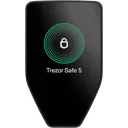
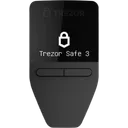
We may earn a commission if you buy through our links. This never affects our ratings.
Browse All Software Wallets Content
Explore 5 guides curated for software wallets
When NOT to Use a Hardware Wallet
intermediateHardware wallets aren't always the answer. Here are situations where a software wallet makes more sense.
Mobile Wallet vs Hardware Wallet
beginnerMobile wallets are convenient, hardware wallets are secure. When should you use each?
What Is a Software Wallet?
beginnerSoftware wallets are apps that store your crypto on your phone or computer. Convenient but with trade-offs.
Is MetaMask Safe?
beginnerMetaMask is the most popular Web3 wallet. But is it safe? Here's an honest security analysis.
Best Software Wallets for DeFi
intermediateDeFi requires hot wallets for daily use. Here are the best software wallets for DeFi users in 2025.
Explore Other Topics
Complement your security knowledge with these related categories
Threat Models
Learn about different crypto wallet threat models and security risks.
Basics
Learn the fundamentals of crypto wallets and how they work.
Security
Learn how to protect your crypto assets and data.
How We Work
Transparency is our foundation. Here's how we build our Software Wallets recommendations.
Every Wallet Tested
We test every wallet we review — no pay-for-play listings.
Self-Custody Only
We only review self-custody wallets. Your keys, your crypto.
Documented Attack Vectors
Guides based on real, documented attack vectors — not hypotheticals.
Ratings Recalculated on Change
All ratings update when wallet specs change. See our open methodology.
Frequently Asked Questions
Common questions about Software Wallets and hardware wallet security
Is MetaMask safe enough for storing crypto?
When should I use a software wallet instead of a hardware wallet?
Can I use a software wallet together with a hardware wallet?
What are the biggest risks of using only a software wallet?
Not sure which wallet fits your threat model?
Answer a few questions and get a personalized recommendation based on your security needs and budget.