Protect Your Crypto: Prevent SIM Swap Attacks and Secure Your Assets
SIM swaps let attackers hijack your phone number and bypass 2FA. How hardware wallets protect you and what else you need to do.

Introduction
TL;DR
- SIM swap attacks involve hackers gaining control of your phone number to access accounts.
- These attacks are a serious risk to cryptocurrency holders as they can bypass phone-based 2FA.
- Protect yourself with multi-factor authentication, strong account management, and using hardware wallets.
- Key steps include working with your mobile carrier and using security-enhanced wallets.
What is a SIM Swap Attack?
A SIM swap attack occurs when a hacker tricks your mobile carrier into transferring your phone number to a new SIM card controlled by the attacker. This allows them to intercept calls, texts, and, most dangerously, bypass two-factor authentication (2FA) used by many online services, including cryptocurrency exchanges.
While SIM swaps are primarily used to steal access to financial accounts, they also allow the attacker to reset passwords on critical accounts like email, social media, and banking. Once they have control, they can transfer funds or steal sensitive information.
How a SIM Swap Attack Works
The process begins with the attacker gathering personal information about you. They may use social engineering tactics like phishing to acquire details such as your name, address, date of birth, and the answers to security questions.
Once they have enough information, they contact your mobile provider and impersonate you to request a SIM swap. If successful, they gain full control over your phone number. This allows them to intercept 2FA codes sent to your phone, giving them access to cryptocurrency exchanges, wallets, and other financial accounts.
Top-Rated Wallets for This Use Case
View all wallets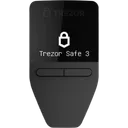
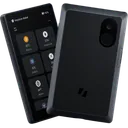
Why SIM Swap Attacks Matter for Crypto Holders
For cryptocurrency holders, SIM swap attacks are particularly dangerous because many exchanges and wallets rely on phone-based 2FA as an added layer of security. Once an attacker controls your phone number, they can bypass this 2FA and access your accounts, potentially draining your cryptocurrency holdings.
Crypto holders who don’t use hardware wallets or other secure storage methods are especially vulnerable, as attackers can target easily accessible exchange wallets and drain them quickly. This threat becomes even more significant for high-net-worth individuals or those holding large amounts of crypto.
Key Considerations: Protecting Yourself from SIM Swaps
To protect yourself from SIM swap attacks, it’s essential to take a proactive approach. First, contact your mobile carrier and request extra security measures, such as a PIN or password, to prevent unauthorized account changes. This step adds an additional layer of defense against attackers who may try to impersonate you.
Next, avoid using phone numbers for critical 2FA. Instead, use apps like Google Authenticator or Authy for 2FA, as they are more secure and not tied to your phone number. Some services even offer hardware-based authentication keys, like YubiKey, which provide an extra level of protection.
Common Mistakes to Avoid
One common mistake is not securing your mobile carrier account. Many people overlook the importance of setting up a PIN or password for their carrier, assuming that 2FA is enough. However, this opens the door for SIM swap attackers to exploit your account.
Another mistake is relying solely on phone-based 2FA for crypto accounts. While it’s better than nothing, phone-based 2FA is not immune to attacks, so it's important to diversify your security measures.
Common Mistakes to Avoid
Relying solely on phone-based 2FA
Why it's dangerous
Phone-based 2FA is vulnerable to SIM swap attacks, allowing attackers to bypass your security.
Do this instead
Use app-based or hardware token 2FA for more robust protection.
Not securing your mobile carrier account
Why it's dangerous
Without a PIN or password, your mobile carrier is an easy target for SIM swap attacks.
Do this instead
Set up a secure PIN or password with your mobile carrier to protect your account.
Neglecting to monitor accounts
Why it's dangerous
Without monitoring your accounts, you might not notice unauthorized access in time to stop it.
Do this instead
Regularly monitor your crypto accounts and set up alerts for suspicious activities.
Best Practices for Preventing SIM Swap Attacks
First and foremost, secure your phone number with your mobile provider. This means setting up a PIN or password on your mobile account to make it harder for attackers to perform SIM swaps. Some carriers even offer an additional layer of protection, such as a port freeze, that prevents the number from being transferred without your consent.
Additionally, avoid relying on SMS-based 2FA for critical accounts like exchanges or wallets. Instead, opt for more secure alternatives like app-based 2FA (Google Authenticator, Authy) or hardware keys like YubiKey for two-factor authentication. These methods are much harder for attackers to compromise.
Who Should Take Action Against SIM Swap Attacks?
Anyone who holds cryptocurrency should take steps to protect against SIM swap attacks. However, those with significant holdings or frequent crypto transactions should be particularly vigilant. If you're using an exchange or a wallet that uses phone-based 2FA, it's essential to implement additional security layers like hardware wallets or multi-signature setups.
Even casual crypto users should avoid relying on SMS-based 2FA for anything important. Using app-based 2FA, a hardware wallet, and monitoring your accounts are small steps that can make a significant difference in your security.
“I’m a crypto enthusiast who stores my funds in a hot wallet and frequently uses exchanges for trading. I don’t think much about SIM swap attacks, but recently I heard of someone losing access to their accounts through this method. Now I’m worried it could happen to me.”
Threat Actors
- hackers
- cybercriminals
Attack Vectors
- SIM swap
- social engineering
Assets at Risk
All my crypto holdings on exchanges, as well as my access to sensitive accounts like email and social media.
What to Look for in a Wallet
Passphrase Support
Must HavePassphrase support adds an extra layer of security, ensuring that even if an attacker gains access to your device, they can't access your crypto without the passphrase.
Matching wallets


Coinkite Coldcard Mk4


Air-Gapped Signing
Must HaveAir-gapped signing prevents your wallet from being connected to the internet directly, making it harder for attackers to compromise your device even if your phone is hijacked.
Matching wallets
Coinkite Coldcard Mk4

Coinkite Coldcard Q

Multi-Signature Support
Must HaveMulti-signature support requires more than one device to sign a transaction, which reduces the risk of losing funds in case of a SIM swap attack.
Matching wallets
Recommended Wallets for This Threat Model
These wallets provide the best protection against SIM swap attacks with advanced security features like air-gapped signing, passphrase support, and multi-signature.
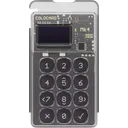
Coinkite Coldcard Mk4
Conclusion: How to Stay Safe from SIM Swap Attacks
SIM swap attacks are a serious risk to crypto holders, but they are preventable. By implementing stronger security measures like passphrase support, using air-gapped wallets, and relying on app-based 2FA instead of SMS, you can significantly reduce the likelihood of falling victim to such an attack.
Remember, staying vigilant and proactive is key. Protect your phone number, use secure wallets, and regularly monitor your accounts to ensure your crypto remains safe from these and other security threats.
Frequently Asked Questions
Common questions about hardware wallets and crypto security
What is a SIM swap attack?
How can I protect my phone from SIM swap attacks?
Are hardware wallets safe from SIM swap attacks?
What should I do if I think I’m a victim of a SIM swap attack?
Ready to Choose Your Wallet?
Now that you have the knowledge, take the next step toward securing your crypto.