How to Relocate Your Crypto Setup Securely and Legally
Relocating internationally? How to move your crypto setup across borders legally and securely without losing access.

Introduction
TL;DR
- Update backup procedures for your wallet when changing countries.
- Consider risks such as customs inspections and theft during travel.
- Ensure your wallet supports air-gapped signing and passphrase features.
- Avoid storing critical info online or in unsecured locations.
What is Relocating Your Crypto Setup?
Relocating your crypto setup refers to the steps you need to take to ensure the security of your hardware wallet and private keys when moving to a new country. Whether you’re changing your residence or simply traveling, the process involves safeguarding your wallet, backup information, and access methods to prevent potential loss or theft during the transition.
This process requires you to be aware of not just your own security habits, but also the different risks posed by customs regulations, potential theft, and technological barriers that might arise in the new location. Whether you're moving long-term or short-term, planning ahead is key to keeping your assets secure.
Why It Matters: The Security Risks of Moving
When moving countries, the risks to your crypto setup are heightened. Customs inspections, travel delays, or simply a more relaxed approach to security in a new environment can expose your hardware wallet and sensitive information to danger. Traveling with a hardware wallet is convenient, but it opens the door to risks such as theft, damage, or inadvertent loss. These risks can lead to losing access to your assets.
In addition, different countries have varying levels of regulation on crypto, which may complicate your ability to access your wallet or even use it. For example, some countries require that digital assets be declared during customs, which can potentially expose your holdings to unwanted attention. Furthermore, some regions may not be familiar with crypto security standards, so finding local help may be challenging if you run into issues with your wallet.
Top-Rated Wallets for This Use Case
View all wallets
Key Considerations for Moving Your Crypto Setup
Before relocating, it’s important to consider both the physical and digital security of your setup. Make sure your hardware wallet has features that prevent unauthorized access, such as passphrase support or hidden wallets. In addition, you should update your recovery phrases and backup methods to ensure they are accessible in a secure manner.
One critical consideration is the mode of travel. If you're flying, for example, ensure your hardware wallet is kept in a carry-on rather than checked luggage to reduce the risk of theft or damage. Additionally, ensure your wallets are configured for air-gapped signing or have the ability to interact with your devices offline, to mitigate risks of remote hacking attempts while traveling.
How the Process Works: Steps to Relocate Securely
The process of relocating your crypto setup securely starts with reviewing and reinforcing your backup system. Make sure your backup phrases are written down securely and not stored on your phone or online. In addition, update your wallet software to ensure you’re using the latest, most secure version.
Next, prepare your hardware wallet for the journey. This includes charging your device, ensuring it’s properly backed up, and securely packaging it. It's also advisable to research the country’s customs and crypto regulations. Once you've arrived, you should verify that your hardware wallet is in the same state it was in before your travel, making sure no tampering has occurred.
Common Mistakes to Avoid When Relocating
There are a few common mistakes that people make when relocating their crypto setup. One of the most common is failing to secure backup phrases properly. It’s tempting to keep them easily accessible, but this puts your funds at risk in case of loss or theft. Another mistake is relying too heavily on online services to back up recovery information. This is risky because online platforms can be hacked.
Another mistake is ignoring country-specific regulations. Many individuals simply travel without realizing that certain countries have different policies regarding cryptocurrency holdings. This can lead to confiscation or forced disclosure of your assets.
Best Practices for Moving Your Crypto Setup
To ensure the security of your crypto when moving countries, start by encrypting any sensitive data. This could include backup phrases or wallet recovery keys. Make sure to use a secure, offline location for storing these details during travel.
Other best practices include making use of multi-signature wallets and passphrase protection on your hardware wallet. This adds an extra layer of security, ensuring that even if your device is compromised, unauthorized parties cannot access your assets. Additionally, consider using hardware wallets that are known for their tamper-evident designs and physical security features like supply chain mitigation.
Who Should Use This Guide
This guide is intended for intermediate crypto users who own hardware wallets and are looking to relocate or travel with their assets. It’s suitable for individuals who may already be familiar with basic crypto security but need practical advice on how to adapt to the challenges posed by moving across borders with crypto assets. Whether you're an investor, a traveler, or a digital nomad, this guide provides you with the necessary steps to ensure your crypto stays safe no matter where you go.
Conclusion: Preparing for Safe Relocation
Relocating your crypto setup requires careful planning, especially when traveling internationally. From securing your backup phrases to ensuring that your wallet can withstand customs inspections, every step matters. Keep in mind the various risks and take proactive steps to protect your assets. Don’t skip on doing your due diligence on local regulations and always prioritize physical and digital security.
By following the advice outlined in this guide, you'll be well-equipped to safely relocate your crypto assets and reduce the risk of losing access or falling victim to theft or fraud.
What to Look For in a Wallet
Passphrase Support
Must HaveA passphrase adds an additional layer of security. It’s crucial when traveling, especially for mitigating risks during customs inspections or potential theft.
Matching wallets


Coinkite Coldcard Mk4


Air-Gapped Signing
Must HaveAir-gapped wallets allow you to sign transactions offline, reducing the risk of remote hacking while traveling.
Matching wallets
Coinkite Coldcard Mk4


Tamper-Evident Design
Must HaveA tamper-evident design ensures that any physical interference with the wallet will be immediately noticeable, adding security during transit.
Matching wallets
Coinkite Coldcard Mk4

Multisig Support
Nice to HaveMultisig wallets require multiple keys to authorize a transaction, making them ideal for reducing the risk of theft in case of a compromised wallet.
Matching wallets
Coinkite Coldcard Mk4
Recommended Wallets for This Threat Model
These wallets are best suited for individuals relocating their crypto setup due to their superior physical and digital security features.
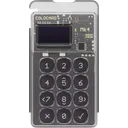
Coinkite Coldcard Mk4
Common Mistakes to Avoid
Relying on digital backups
Why it's dangerous
Storing backup phrases online or in digital formats exposes them to potential hacking or theft.
Do this instead
Use encrypted offline backups and avoid cloud storage.
Ignoring customs regulations
Why it's dangerous
Not researching local crypto laws could result in your wallet being confiscated or your assets being seized.
Do this instead
Always check the destination country’s regulations before traveling.
Failing to verify your wallet’s state post-travel
Why it's dangerous
Your wallet might have been tampered with during travel.
Do this instead
Inspect your wallet for tampering upon arrival and verify its functionality.
Frequently Asked Questions
Common questions about hardware wallets and crypto security
What should I do if my hardware wallet is lost or stolen during my move?
How can I prevent customs from inspecting my crypto wallet?
Are there any specific crypto regulations I should be aware of when traveling?
What security features should my hardware wallet have when traveling internationally?
Ready to Choose Your Wallet?
Now that you have the knowledge, take the next step toward securing your crypto.