Defend Against $5 Wrench Attack: Duress & Coercion Guide
When someone forces you to unlock your wallet. Duress PINs, decoy wallets, and strategies for the scariest threat in crypto.

Introduction
TL;DR
- A $5 wrench attack involves coercion or violence to force the victim to reveal private keys or passphrases.
- The attack's effectiveness relies on human vulnerabilities rather than technical exploits.
- To protect yourself, use wallet features like passphrases, multi-signature setups, and air-gapped devices.
- Physical security and user behavior are crucial in mitigating this risk.
What is a $5 Wrench Attack?
A $5 wrench attack is a term coined to describe an attack in which an adversary uses physical force or the threat of harm to force a victim to reveal their private cryptocurrency keys or passphrase. Unlike technical exploits that focus on software vulnerabilities, this attack targets human behavior, making it a particularly insidious risk.
The idea behind the name is simple: for a small cost (a wrench, figuratively), an attacker can extract millions in cryptocurrency if the victim is not properly prepared for such threats. The name underscores the simplicity and high effectiveness of this method, emphasizing the vulnerability of human psychology over technology.
How Does a $5 Wrench Attack Work?
The process of a $5 wrench attack is disturbingly straightforward. The attacker may target a high-value individual or someone known to possess substantial cryptocurrency assets. The attacker will apply psychological pressure, intimidation, or outright violence to coerce the victim into revealing their private keys or passphrases, which can unlock and transfer the victim’s cryptocurrency holdings.
The effectiveness of the attack doesn’t rely on the attacker being technically savvy; the key to the success of a $5 wrench attack is the victim's unwillingness or inability to protect their recovery phrases, passwords, or private keys under duress. This type of attack is considered a physical security issue rather than a digital one, and it can happen anywhere—from a victim’s home to an airport, or even while traveling abroad.
Top-Rated Wallets for This Use Case
View all wallets
“I’m a cryptocurrency enthusiast with significant assets, and I’m regularly on the move due to work. Whether I'm on a business trip or crossing international borders, the thought of losing my private keys through duress is a real concern. A threat actor could apply physical pressure to make me reveal my recovery phrase or private keys.”
Threat Actors
- Thieves
- Kidnappers
Attack Vectors
- Physical coercion
- Violence or threats
Assets at Risk
Personal assets, including large amounts of cryptocurrency, if private keys or passphrases are revealed.
Why Does a $5 Wrench Attack Matter?
The potential consequences of a successful $5 wrench attack are far-reaching. Unlike most digital threats, this attack doesn’t require any specialized technical skills. It targets the human element—the victim’s fear or inability to withstand pressure. Cryptocurrency, being a decentralized and irreversible asset, is especially vulnerable to this attack.
If an attacker gains access to your hardware wallet’s recovery phrase or PIN, they can instantly transfer your assets, leaving you with no way to reverse the transaction. This is why it is critical to implement defenses beyond just technological protections, including safeguarding the human element in your security model.
Key Considerations: Preparing Against Coercion
To defend against a $5 wrench attack, you must consider both technical and behavioral aspects. Start by understanding the key asset you're protecting: your private keys or recovery phrases. If these are compromised, your cryptocurrency is at risk.
Consider adopting additional layers of protection such as a passphrase (which makes the recovery phrase useless without it), multi-signature wallets (which require multiple approvals to move funds), and using air-gapped wallets (which operate without needing to be connected to the internet). Also, ensure you maintain physical and behavioral readiness in high-risk situations, like traveling or being in isolated areas.
Best Practices for Defending Against a $5 Wrench Attack
The most effective way to defend against this attack is by making it as difficult as possible for attackers to gain access to your funds under duress. Some of the best practices include:
- Use passphrases: Adding a passphrase to your hardware wallet adds another layer of security. Without the passphrase, an attacker can’t access your funds even if they have the recovery phrase.
- Use multi-signature wallets: Multi-signature wallets require multiple keys to authorize a transaction, making it harder for attackers to move your assets.
- Air-gapped devices: Hardware wallets that are fully offline (not connected to the internet) significantly reduce the risk of remote hacking and physical coercion.
- Keep your recovery phrase secure: Never store recovery phrases in easily accessible places. Consider using secure storage like metal backup plates or encrypted USB drives.
- Practice resilience: Work on techniques to resist psychological coercion and familiarize yourself with handling threats to minimize panic in a crisis.
What to Look For in a Wallet
Passphrase Support
Must HaveAdding a passphrase to your wallet makes it more resistant to coercion, as the attacker would need both your recovery phrase and passphrase to access your funds.
Matching wallets


Coinkite Coldcard Mk4


Air-Gapped Signing
Must HaveAir-gapped devices provide extra protection by preventing online attacks, reducing the risk of exposure to hackers or coercion scenarios.
Matching wallets
Coinkite Coldcard Mk4

Coinkite Coldcard Q


Multi-Signature Setup
Nice to HaveUsing a multi-signature setup reduces the risk of losing funds under duress, as it requires multiple parties to approve transactions.
Matching wallets

Coinkite Coldcard Mk4

Recommended Wallets for This Threat Model
These wallets offer features that help protect against coercion-based attacks, providing added security such as passphrases, multi-signature setups, and air-gapped designs.
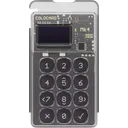
Coinkite Coldcard Mk4

Common Mistakes to Avoid
Storing the recovery phrase online
Why it's dangerous
Storing it online exposes it to hacking risks, even in cases of coercion.
Do this instead
Use a physical backup stored in a secure location, such as a safe deposit box.
Ignoring passphrase support
Why it's dangerous
Without a passphrase, your recovery phrase is the only line of defense.
Do this instead
Use a wallet that supports passphrases to add an extra layer of protection.
Relying only on a single signature wallet
Why it's dangerous
A single signature can be compromised under duress.
Do this instead
Use multi-signature setups for additional security.
Conclusion: What Are Your Next Steps?
Now that you understand the threat posed by $5 wrench attacks, it’s time to implement robust defenses. Consider upgrading your hardware wallet to one that supports passphrases and multi-signature setups. Ensure that you practice resilience under pressure and consider physical security measures to keep your wallet safe from theft or coercion. While no defense is foolproof, a layered approach will significantly reduce your vulnerability.
Stay informed about potential threats, keep your security systems up to date, and prioritize both your digital and physical safety to protect your cryptocurrency assets effectively.
Frequently Asked Questions
Common questions about hardware wallets and crypto security
What is the best defense against a $5 wrench attack?
Can a hardware wallet protect me from a $5 wrench attack?
What is the role of a passphrase in preventing a $5 wrench attack?
Are multi-signature wallets a good defense against coercion?
Ready to Choose Your Wallet?
Now that you have the knowledge, take the next step toward securing your crypto.