Digital Nomad Crypto Security: Essential Threat Model for 2026
Working from coworking spaces, cafes, and hotels. The unique threats facing digital nomads managing crypto on the move.

Introduction
TL;DR
- Digital nomads face specific crypto security risks related to travel and device exposure.
- The biggest threats include theft, surveillance, and device compromise.
- Protecting your assets requires using hardware wallets with high physical security, air-gapped signing, and backup options.
- Best practices include secure transport, multi-factor authentication, and cautious wallet management.
What is the Threat Model for Digital Nomads?
A digital nomad's lifestyle involves constant movement, often through regions with varying levels of security. As such, their crypto assets are at higher risk due to exposure to physical theft, device compromise, and surveillance. The threat model for these users must account for these risks while ensuring accessibility to their funds from different locations and devices.
Unlike people who stay put in one location, nomads face challenges like connecting to potentially compromised networks, traveling through countries with high surveillance, or leaving hardware wallets unattended. This makes creating a robust security strategy even more crucial.
“I travel frequently for work and carry my hardware wallet across international borders. I use public Wi-Fi in cafes and coworking spaces to manage my crypto, and sometimes my hardware wallet is left in my backpack while I meet with clients or colleagues. I'm constantly aware of the potential for theft or device hacking, and I need to ensure my crypto stays secure while remaining accessible.”
Threat Actors
- hackers
- physical thieves
- nation-state actors
Attack Vectors
- compromised networks
- physical theft
- social engineering
- device tampering
Assets at Risk
Private keys, passphrases, and funds stored on hardware wallets could be stolen, leading to irreversible loss of assets.
How the Attack Works: Attack Vectors for Digital Nomads
As a digital nomad, the key threat vectors revolve around your environment. Using public Wi-Fi networks or untrusted devices introduces the risk of man-in-the-middle (MITM) attacks. An attacker could intercept your connection, potentially gaining access to sensitive data like passwords or private keys. Another risk comes from physical theft of your hardware wallet while traveling, or from leaving it unattended in public spaces. Once compromised, the attacker could access your wallet and steal your funds.
Additionally, social engineering attacks are prevalent in co-working spaces and cafes. Hackers could trick you into revealing your PIN or passphrase, especially if you're distracted. Moreover, even well-secured hardware wallets aren't immune to physical tampering — an attacker could replace your device or access it when you're not looking.
Top-Rated Wallets for This Use Case
View all wallets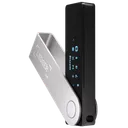
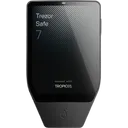
Real-World Examples of Digital Nomad Attacks
Consider the story of a digital nomad in Southeast Asia, who lost over $50,000 in crypto after their hardware wallet was stolen from their hotel room. The thief accessed the private keys and drained the wallet, bypassing any recovery options. Another example is a hacker infiltrating public Wi-Fi in a European café, where a user unknowingly shared their wallet's private key through an unencrypted connection. In both cases, lack of proper security protocols led to a devastating loss of assets.
These examples highlight the need for strict security measures, especially when traveling in unfamiliar or high-risk areas.
Defense Strategy: How to Protect Your Crypto Assets
To protect your crypto assets while traveling, follow a layered security approach:
- Use secure hardware wallets: Opt for wallets with features like air-gapped signing, passphrase support, and tamper-evident design to mitigate risks of physical and online attacks. Devices like the Ledger Nano X or Coldcard Mk4 offer these capabilities.
- Keep your wallet physical secure: Don’t leave your hardware wallet unattended. Use a lockable, tamper-evident bag or safe to protect it in hotels or coworking spaces.
- Secure your device: Always encrypt sensitive data on laptops or smartphones and use VPNs or Tor when accessing public networks.
- Back up securely: Always create and store a secure backup of your recovery seed, ideally with multi-location storage and Shamir backup to avoid single points of failure.
What to Look for in a Wallet
Passphrase Support
Must HaveUsing a passphrase is crucial for digital nomads to prevent unauthorized access to your wallet. Even if your hardware wallet is stolen, the passphrase adds an extra layer of protection.
Matching wallets


Coinkite Coldcard Mk4


Air-Gapped Signing
Must HaveAir-gapped signing ensures that the private key is never exposed to the internet, preventing online attackers from accessing it remotely. This is essential for protecting assets while traveling.
Matching wallets
Coinkite Coldcard Mk4

Tamper-Evident Design
Must HaveA tamper-evident design helps ensure that your hardware wallet hasn’t been compromised while in transit, reducing the risk of a physical attack.
Matching wallets
Coinkite Coldcard Mk4


Multi-Signature Capability
Nice to HaveMulti-signature wallets require multiple keys to approve a transaction, reducing the risk of a single compromised key allowing theft. It’s ideal for managing large amounts of crypto safely.
Matching wallets
Coinkite Coldcard Mk4
Recommended Wallets for This Threat Model
These hardware wallets provide the highest level of security for digital nomads, focusing on physical protection, air-gapped signing, and tamper-evident features.
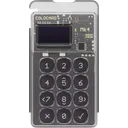
Coinkite Coldcard Mk4
Common Mistakes to Avoid
Using a single backup location for your recovery seed
Why it's dangerous
If the backup location is compromised or lost, your entire wallet is at risk.
Do this instead
Use multiple secure backup locations, such as a bank safe deposit box and a trusted family member’s house.
Leaving your wallet unattended in public
Why it's dangerous
Physical theft is a common attack vector, and a stolen wallet can mean permanent loss of funds.
Do this instead
Always keep your wallet on your person or locked away in a safe place.
Not using a passphrase for extra wallet protection
Why it's dangerous
Without a passphrase, a thief can access your funds if they have the hardware wallet.
Do this instead
Enable passphrase support on your wallet for additional security.
Conclusion & Next Steps
As a digital nomad, ensuring the security of your crypto assets requires both proactive and reactive measures. By understanding the unique risks of traveling with cryptocurrency, you can take steps to mitigate threats effectively. Always use secure hardware wallets with air-gapped signing and passphrase support, store backups securely, and be cautious about leaving your wallet unattended. Implement these best practices, and you'll significantly reduce the risk of losing your assets while enjoying the freedom that comes with a nomadic lifestyle.
Next, evaluate your current hardware wallet setup and make the necessary improvements. Prioritize physical security, and if you’re not using a wallet with advanced features, consider upgrading to one that offers better protection for your specific threat model.
Frequently Asked Questions
Common questions about hardware wallets and crypto security
What is the best wallet for a digital nomad?
How do I secure my hardware wallet when traveling?
Can my hardware wallet be hacked while using public Wi-Fi?
Should I use multi-signature for extra security?
Ready to Choose Your Wallet?
Now that you have the knowledge, take the next step toward securing your crypto.