How to Protect Your Crypto from Natural Disasters
Fires, floods, earthquakes — how to ensure your crypto survives when your home does not. Geographic backup strategies.

Introduction
TL;DR
- Store crypto hardware wallets in a fireproof and waterproof safe.
- Create and securely store a backup of your recovery seed and passphrase.
- Consider multi-location storage for added redundancy.
- Regularly update and test your disaster recovery plan.
What is Natural Disaster Preparedness for Crypto?
Natural disaster preparedness for crypto refers to the strategies and actions taken to ensure the safety and security of your digital assets in the face of events like floods, earthquakes, fires, or other catastrophic occurrences. Just like physical assets, cryptocurrencies stored on hardware wallets can be damaged, destroyed, or lost if not properly protected.
Disaster preparedness is not just about protecting the wallet hardware itself, but also the sensitive data required to recover access, like the recovery seed and any passphrases. The right approach to disaster preparedness will involve secure storage, redundancy, and a clear recovery plan in case the worst happens.
Why It Matters: The Risks of Ignoring Preparedness
Natural disasters are unpredictable, and ignoring the need for crypto disaster preparedness can result in devastating losses. Unlike traditional assets, digital currencies are typically stored in wallets that require specific knowledge or physical items—such as private keys or recovery seeds—to access. If those are lost or damaged, there’s often no way to recover the funds.
For instance, a fire could destroy your hardware wallet or a flood could wipe out the physical storage, leaving you unable to access your crypto. These scenarios might seem unlikely, but if you're unprepared, the consequences can be irreversible. Being proactive can ensure that you are protected, no matter what happens.
Top-Rated Wallets for This Use Case
View all wallets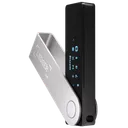
Key Considerations for Natural Disaster Preparedness
When it comes to protecting crypto in a natural disaster, there are a few factors to consider:
- Location: Choose a safe and accessible location to store your hardware wallet and backup recovery materials. Ideally, you want fireproof, waterproof, and tamper-evident options.
- Redundancy: Backup your recovery seed in multiple physical forms and locations. Using a multi-signature setup can also enhance security.
- Backup and Recovery: Ensure you know the process to restore your crypto from a backup. Store recovery information securely but in an easily accessible manner if disaster strikes.
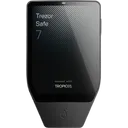
While hardware wallets like Ledger Nano X or Trezor Safe 7 offer solid security, your disaster preparedness plan should complement their physical security with practical, thoughtful measures.
Common Mistakes to Avoid in Disaster Preparedness
Many crypto holders make the mistake of underestimating the risk of disaster or assuming their wallet is safe enough without additional measures. Some common mistakes include:
- Storing backup seed phrases digitally: Backing up your recovery seed on cloud services or online storage increases the risk of digital theft, even if your hardware wallet itself is secure.
- Failing to test backups: Not verifying that your recovery seed works in a real-world situation is a critical error. Test your backup process periodically.
- Relying on one backup location: Storing everything in one place, like a safe in your home, is risky. Consider using bank safety deposit boxes, family safes, or even trusted off-site locations.
Best Practices: How to Prepare for a Natural Disaster
To ensure your crypto is safe during a disaster, here are key best practices:
- Use fireproof and waterproof storage: Invest in a high-quality safe for storing both your hardware wallet and backup recovery seed. Make sure it’s rated for fire and water protection.
- Have multiple backups: Don’t store all your backups in one place. Use multiple locations, such as an off-site vault or safe deposit box, to mitigate the risk of losing everything in a single event.
- Regularly update your recovery plan: Test your recovery process every few months to ensure you can access your crypto if needed.
- Consider multisig wallets: Multisig wallets require multiple keys to authorize a transaction, which adds an extra layer of security. If one key is lost or destroyed, the others can still protect your assets.
“I store my crypto in a hardware wallet and live in an area prone to floods and wildfires. Recently, I’ve been worrying about how to keep my assets safe if a disaster strikes and my hardware wallet is damaged or lost.”
Threat Actors
- Natural Disaster
- Fire or Water Damage
Attack Vectors
- Water Damage
- Fire Damage
Assets at Risk
Loss of access to crypto assets if recovery seed or hardware wallet is damaged.
How a Natural Disaster Can Damage Your Hardware Wallet and Recovery Information
When a natural disaster like a flood or wildfire occurs, it can damage or completely destroy the physical storage of your crypto—whether it’s the hardware wallet itself or the backup recovery seed. A wallet stored in a fireproof safe could still be vulnerable to water damage in a flood. Similarly, recovery seeds stored in paper form may be completely ruined if exposed to water or fire.
The most common risk comes from the destruction of the wallet's physical hardware or the backup recovery information. Once destroyed, there is no way to restore your crypto assets without that recovery information. This is why having a backup plan in place is vital.
Defense Strategies: How to Protect Your Crypto from Natural Disasters
Protecting your crypto against natural disasters requires strategic measures:
- Use fireproof, waterproof safes: These are your first line of defense. Choose safes that are certified to protect against extreme temperatures and water exposure.
- Distribute your backups: Store your recovery seed and backup hardware wallets in multiple physical locations. Diversifying the locations helps to minimize the risk of a total loss.
- Secure multisig wallets: By using multisig wallets, you spread the risk across multiple keys, ensuring that a disaster affecting one key won't result in total asset loss.
Always stay prepared and ensure your recovery plan is easy to follow if disaster strikes.
What to Look for in a Wallet for Disaster Preparedness
Passphrase Support
Must HavePassphrase support ensures an additional layer of protection, allowing you to store an extra key alongside your recovery seed. This can be critical if your recovery seed is compromised or damaged in a disaster.


Air-Gapped Signing
Must HaveAir-gapped signing ensures that your wallet can operate offline, which is essential in preventing data loss or theft in case of a disaster that affects internet connectivity.
Matching wallets


Tamper-Evident Design
Nice to HaveA tamper-evident design helps you identify if someone has tried to open or modify your wallet, ensuring your assets are safe from unauthorized access.

Multisig Support
Nice to HaveMultisig wallets require multiple keys for transactions, adding an extra layer of security that can protect against the loss of a single recovery key.
Matching wallets

Coinkite Coldcard Mk4

Recommended Wallets for This Threat Model
These wallets are recommended for their strong security features and disaster preparedness options, offering tamper-evident designs, air-gapped signing, passphrase support, and multisig capabilities.
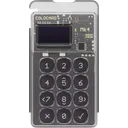
Coinkite Coldcard Mk4
Common Mistakes to Avoid
Storing everything in one location
Why it's dangerous
A single point of failure could mean total loss of access to your assets.
Do this instead
Store backups in multiple secure locations, like off-site safes or safety deposit boxes.
Ignoring regular testing of recovery plans
Why it's dangerous
Not testing can lead to a false sense of security if your recovery process fails.
Do this instead
Test your recovery seed periodically to ensure it works when needed.
Conclusion and Next Steps
Natural disaster preparedness is an essential part of securing your crypto assets. By storing your hardware wallet securely, backing up your recovery information in multiple locations, and using secure wallets with advanced features like passphrase support and multisig, you can ensure that your assets are safe no matter what happens. Regularly test your recovery process, and stay proactive with updates to your disaster plan.
Next steps: Take action today by assessing your disaster preparedness strategy. Choose a wallet with strong security features and set up multiple backups to protect your assets in case disaster strikes.
Frequently Asked Questions
Common questions about hardware wallets and crypto security
What happens if my hardware wallet is damaged in a disaster?
What is the best way to store my backup recovery seed?
Should I use multisig wallets for disaster preparedness?
How do I test my disaster recovery plan?
Ready to Choose Your Wallet?
Now that you have the knowledge, take the next step toward securing your crypto.