Regulations & Taxes
How crypto taxes and regulations affect hardware wallet users. Tax reporting, travel rules, self-custody regulations, and compliance guides.
Crypto regulations and tax rules are evolving fast, and hardware wallet users face unique questions: How do self-custody rules affect you? What are your reporting obligations? How do travel regulations impact carrying a hardware wallet across borders?
These guides focus specifically on what matters for hardware wallet owners — not general crypto tax advice you can find anywhere. We cover jurisdiction-specific rules where they're relevant, but focus on principles that apply broadly.
Disclaimer: we're not tax advisors or lawyers. These guides provide general education based on publicly available regulations. Always consult a qualified professional for your specific situation.
Start Here: Essential Regulations & Taxes Guides
New to regulations & taxes? Begin with these foundational guides
Is Using a Hardware Wallet Legal?
Yes, hardware wallets are legal virtually everywhere. But here's what you need to know.
How to Track Crypto Transactions
Good records make tax time easier. Here's how to track your crypto transactions for reporting.
Do You Have to Pay Taxes on Crypto?
Yes, in most countries. Learn the basics of crypto taxation and your reporting obligations.
Crypto Regulations Explained Simply
KYC, AML, travel rule — crypto regulations can be confusing. Here's a plain-English overview.
Wallets That Defend Against These Threats
Reading about threats is step one. Step two is choosing a wallet built to handle them.
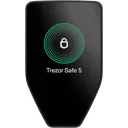

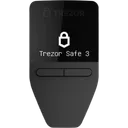
We may earn a commission if you buy through our links. This never affects our ratings.
Browse All Regulations & Taxes Content
Explore 5 guides curated for regulations & taxes
Is Using a Hardware Wallet Legal?
beginnerYes, hardware wallets are legal virtually everywhere. But here's what you need to know.
How to Track Crypto Transactions
intermediateGood records make tax time easier. Here's how to track your crypto transactions for reporting.
Do You Have to Pay Taxes on Crypto?
beginnerYes, in most countries. Learn the basics of crypto taxation and your reporting obligations.
Crypto Regulations Explained Simply
beginnerKYC, AML, travel rule — crypto regulations can be confusing. Here's a plain-English overview.
Is Crypto Legal?
beginnerCrypto legality varies by country. Here's a global overview of cryptocurrency regulations in 2025.
Explore Other Topics
Complement your security knowledge with these related categories
Threat Models
Learn about different crypto wallet threat models and security risks.
Basics
Learn the fundamentals of crypto wallets and how they work.
Security
Learn how to protect your crypto assets and data.
How We Work
Transparency is our foundation. Here's how we build our Regulations & Taxes recommendations.
Every Wallet Tested
We test every wallet we review — no pay-for-play listings.
Self-Custody Only
We only review self-custody wallets. Your keys, your crypto.
Documented Attack Vectors
Guides based on real, documented attack vectors — not hypotheticals.
Ratings Recalculated on Change
All ratings update when wallet specs change. See our open methodology.
Frequently Asked Questions
Common questions about Regulations & Taxes and hardware wallet security
Is it legal to use a hardware wallet?
Do I have to pay taxes on crypto stored in a hardware wallet?
Can border agents force me to unlock my hardware wallet?
How do I track crypto transactions for tax reporting?
Not sure which wallet fits your threat model?
Answer a few questions and get a personalized recommendation based on your security needs and budget.