Hardware Wallets
Complete hardware wallet guides: how to choose, set up, and use cold storage devices. Based on hands-on testing of every device.
These guides cover everything you need to know about using a hardware wallet — from unboxing your first device to daily transaction workflows. Each guide is based on hands-on testing, not manufacturer documentation.
We cover the full lifecycle: choosing the right device for your needs, initial setup and configuration, sending and receiving transactions, firmware updates, and long-term device maintenance. Where instructions differ between brands, we provide specific steps for each major manufacturer.
Not sure which wallet to get? Use our wallet finder quiz or browse our ratings to narrow down your options first. Already own a device? Jump straight to the setup guide for your specific model.
Start Here: Essential Hardware Wallets Guides
New to hardware wallets? Begin with these foundational guides
What Is a Hardware Wallet?
A hardware wallet is a physical device that stores your private keys offline. It's the gold standard for crypto security.
How to Store NFTs on a Hardware Wallet
Your NFTs deserve hardware wallet protection too. Here's how to secure your digital collectibles.
Are Hardware Wallets Worth It?
Hardware wallets cost $50-$200. Is the investment worth it for your crypto holdings? Here's an honest breakdown.
How Hardware Wallets Work
Hardware wallets sign transactions offline, keeping your private keys isolated from internet threats. Here's exactly how they protect you.
Wallets That Defend Against These Threats
Reading about threats is step one. Step two is choosing a wallet built to handle them.
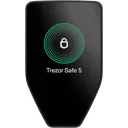
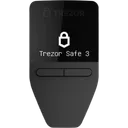
We may earn a commission if you buy through our links. This never affects our ratings.
Browse All Hardware Wallets Content
Explore 7 guides curated for hardware wallets
What Is a Hardware Wallet?
beginnerA hardware wallet is a physical device that stores your private keys offline. It's the gold standard for crypto security.
How to Store NFTs on a Hardware Wallet
intermediateYour NFTs deserve hardware wallet protection too. Here's how to secure your digital collectibles.
Are Hardware Wallets Worth It?
beginnerHardware wallets cost $50-$200. Is the investment worth it for your crypto holdings? Here's an honest breakdown.
How Hardware Wallets Work
beginnerHardware wallets sign transactions offline, keeping your private keys isolated from internet threats. Here's exactly how they protect you.
How to Set Up a Hardware Wallet
beginnerStep-by-step guide to setting up any hardware wallet. From unboxing to your first transaction, we cover everything.
How to Choose a Hardware Wallet
beginnerA step-by-step buying guide to help you pick the right hardware wallet based on your needs, budget, and experience level.
Best Hardware Wallets for Beginners
beginnerNew to hardware wallets? These beginner-friendly devices offer the best combination of security, ease of use, and value.
Explore Other Topics
Complement your security knowledge with these related categories
Threat Models
Learn about different crypto wallet threat models and security risks.
Basics
Learn the fundamentals of crypto wallets and how they work.
Security
Learn how to protect your crypto assets and data.
How We Work
Transparency is our foundation. Here's how we build our Hardware Wallets recommendations.
Every Wallet Tested
We test every wallet we review — no pay-for-play listings.
Self-Custody Only
We only review self-custody wallets. Your keys, your crypto.
Documented Attack Vectors
Guides based on real, documented attack vectors — not hypotheticals.
Ratings Recalculated on Change
All ratings update when wallet specs change. See our open methodology.
Frequently Asked Questions
Common questions about Hardware Wallets and hardware wallet security
Are hardware wallets worth the investment?
Which hardware wallet should I buy as a beginner?
Can I store NFTs on a hardware wallet?
What happens if my hardware wallet manufacturer goes bankrupt?
Not sure which wallet fits your threat model?
Answer a few questions and get a personalized recommendation based on your security needs and budget.