Basics
Beginner-friendly guides covering cold storage fundamentals, how private keys work, and what to look for in your first hardware wallet.
A hardware wallet is a physical device that keeps your cryptocurrency private keys offline — away from hackers, malware, and phishing attacks. If you're new to crypto security, these guides will help you understand the fundamentals before making any decisions.
We cover how hardware wallets actually work (not just marketing claims), what makes cold storage different from keeping crypto on an exchange, and how to evaluate whether you need one based on your holdings and risk tolerance.
Every concept is explained without jargon. Start with "What Is a Hardware Wallet?" if you're completely new, or jump to our buying guides if you already understand the basics and want to compare specific devices.
Start Here: Essential Basics Guides
New to basics? Begin with these foundational guides
What Is a Private Key?
A private key is the secret code that proves ownership of your crypto. Whoever has it controls the funds — forever.
What Is a Crypto Wallet?
A crypto wallet stores your private keys and lets you send, receive, and manage cryptocurrency. Learn how wallets work and which type is right for you.
Custodial vs Non-Custodial Wallet
Custodial wallets hold your keys for you; non-custodial wallets give you full control. Learn the crucial difference for your crypto security.
Hot Wallet vs Cold Wallet
Hot wallets are connected to the internet, cold wallets are offline. Understand the security trade-offs and when to use each type.
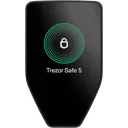
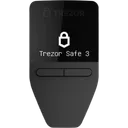
Wallets That Defend Against These Threats
Reading about threats is step one. Step two is choosing a wallet built to handle them.
We may earn a commission if you buy through our links. This never affects our ratings.
Browse All Basics Content
Explore 9 guides curated for basics
What Is a Private Key?
beginnerA private key is the secret code that proves ownership of your crypto. Whoever has it controls the funds — forever.
What Is a Crypto Wallet?
beginnerA crypto wallet stores your private keys and lets you send, receive, and manage cryptocurrency. Learn how wallets work and which type is right for you.
Custodial vs Non-Custodial Wallet
beginnerCustodial wallets hold your keys for you; non-custodial wallets give you full control. Learn the crucial difference for your crypto security.
Hot Wallet vs Cold Wallet
beginnerHot wallets are connected to the internet, cold wallets are offline. Understand the security trade-offs and when to use each type.
What Is a Seed Phrase?
beginnerA seed phrase (recovery phrase) is a 12-24 word backup that can restore your entire wallet. Never share it with anyone.
Crypto Wallet Types Explained
beginnerHardware, software, custodial, non-custodial, hot, cold — all crypto wallet types compared side by side with pros and cons.
What Is Self-Custody in Crypto
beginnerSelf-custody means you hold your own private keys. Learn why it matters, how it works, and whether it is right for you.
Best Way to Store Bitcoin Safely
beginnerCompare the safest Bitcoin storage methods — hardware wallets, cold storage, multisig — and find the best option for your situation.
What Is Cold Storage for Crypto
beginnerCold storage keeps your crypto offline and away from hackers. Learn how it works, the different types, and when you need it.
Explore Other Topics
Complement your security knowledge with these related categories
Threat Models
Learn about different crypto wallet threat models and security risks.
Security
Learn how to protect your crypto assets and data.
Hardware Wallets
Learn about secure, offline storage for your crypto assets.
How We Work
Transparency is our foundation. Here's how we build our Basics recommendations.
Every Wallet Tested
We test every wallet we review — no pay-for-play listings.
Self-Custody Only
We only review self-custody wallets. Your keys, your crypto.
Documented Attack Vectors
Guides based on real, documented attack vectors — not hypotheticals.
Ratings Recalculated on Change
All ratings update when wallet specs change. See our open methodology.
Frequently Asked Questions
Common questions about Basics and hardware wallet security
What is a hardware wallet and why do I need one?
What is the difference between a seed phrase and a private key?
How much crypto should I have before buying a hardware wallet?
Can I use one hardware wallet for multiple cryptocurrencies?
Not sure which wallet fits your threat model?
Answer a few questions and get a personalized recommendation based on your security needs and budget.