Secure Boot
Secure Boot is a security feature that ensures only trusted software runs on a device by verifying its integrity during startup, preventing unauthorized code execution in crypto systems.
What Is a Secure Boot?
A Secure Boot is a security feature that ensures only trusted software is executed on a device during its startup process. It helps prevent the system from running unauthorized or malicious code by verifying the integrity of each piece of software before it is executed. Secure Boot is commonly used in both hardware and software environments to protect the device from attacks that target the boot process, such as rootkits or bootkits.
Secure Boot works by checking the cryptographic signatures of the software components during the device's startup. When the device is powered on, it starts by loading a small piece of software called the bootloader. The bootloader then checks the integrity of the next layer of software, such as the operating system, by verifying that it has a valid digital signature. If the signature is valid, the boot process continues. If any unauthorized code is detected, the boot process is halted, preventing the system from running potentially harmful software.
In the context of cryptocurrency and blockchain systems, Secure Boot is crucial because it helps ensure that only trusted software, such as secure wallets or blockchain nodes, are executed on a device. Malicious software running on a device could compromise private keys, steal funds, or allow unauthorized access to sensitive information. By using Secure Boot, cryptocurrency users can mitigate the risks of tampering with the system at a low level, adding an important layer of defense against cyberattacks.
Key characteristics of Secure Boot include the use of cryptographic techniques like public-key infrastructure (PKI) and digital signatures. There are different implementations of Secure Boot, including UEFI (Unified Extensible Firmware Interface) Secure Boot, which is commonly used in modern computers, and TPM (Trusted Platform Module) integration, which is used in more specialized security hardware. Both methods provide a mechanism for validating the integrity of software during boot, but they vary in terms of the level of security and the types of devices they are used on.
A bootloader is a small program that initializes hardware and loads the main operating system or firmware on a device, often used in blockchain hardware wallets for secure startup.
Read full definitionA digital signature is a cryptographic method that uses a private key to sign blockchain transactions, verifiable with the public key to prove authenticity and prevent tampering.
Read full definitionCryptocurrency is a digital or virtual currency secured by cryptography, operating on decentralized blockchain networks to enable secure, peer-to-peer transactions.
Read full definitionReal-World Examples
Example 1: When setting up a Ledger hardware wallet, Secure Boot ensures that the device only runs trusted software during startup, preventing malicious firmware from executing and protecting users' private keys from potential attacks.
- Secure Boot verifies the integrity of the wallet's firmware, ensuring it hasn't been tampered with before any cryptographic operations take place.
Example 2: A user installs a new operating system on a laptop with UEFI Secure Boot enabled. The laptop checks the digital signature of the operating system's bootloader to ensure it is legitimate and hasn’t been compromised. If the signature is invalid, the system refuses to boot, protecting against rootkits.
- By enforcing Secure Boot, the system prevents unauthorized or malicious software from running during startup, safeguarding the user's data from attacks that target the boot process.
Example 3: A blockchain node running on a server with Secure Boot enabled ensures that only authorized software, such as the correct version of blockchain client software, is executed during startup, reducing the risk of unauthorized modifications or attacks on the network.
- Secure Boot helps maintain the integrity of the blockchain node, ensuring it operates as intended and doesn’t get compromised by malicious actors during the boot process.
Example 4: An enterprise device using TPM (Trusted Platform Module) and Secure Boot prevents bootkits from executing on critical infrastructure, ensuring that only trusted software is loaded during startup, minimizing the risk of system-wide security breaches.
- The TPM verifies the integrity of the firmware and operating system, ensuring no unauthorized modifications are made before the device operates.
Ledger is a brand of hardware wallets that securely store cryptocurrency private keys offline, such as the Ledger Nano series.
Read full definitionA digital signature is a cryptographic method that uses a private key to sign blockchain transactions, verifiable with the public key to prove authenticity and prevent tampering.
Read full definitionA bootloader is a small program that initializes hardware and loads the main operating system or firmware on a device, often used in blockchain hardware wallets for secure startup.
Read full definitionA node is a computer running blockchain software that connects to the network, validates transactions, and maintains a copy of the ledger.
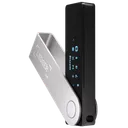
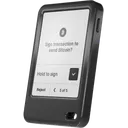
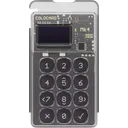
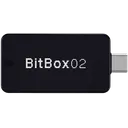
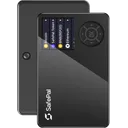
Read full definitionHardware Wallets by Secure Boot
Browse wallets grouped by this feature








Ready to Choose a Secure Wallet?
Use our tools to find the right hardware wallet for your needs.