Recovery
Recovery is the process of restoring access to a cryptocurrency wallet using its seed phrase or mnemonic backup if the original wallet is lost or inaccessible.
What Is a Recovery?
A Recovery is the process of restoring access to a cryptocurrency wallet using its seed phrase or mnemonic backup. Users initiate recovery when they lose their device, forget credentials, or face wallet inaccessibility. Also known as wallet recovery or seed recovery, it regenerates the wallet without needing the original software or hardware.
Modern wallets use hierarchical deterministic (HD) structures based on standards like BIP32 and BIP39. They generate a master seed phrase of 12 to 24 random words. This phrase mathematically derives all private keys, addresses, and transaction history. To recover, enter the exact seed phrase into compatible wallet software or a new hardware device. The wallet recreates the entire key hierarchy instantly. For example, if you lose a Ledger device, input the seed into a new Trezor to access the same funds.
Recovery matters because cryptocurrency operates on self-custody principles. No central authority resets access like traditional banks. It protects against device failure or theft while emphasizing secure seed storage. Without recovery, lost seeds mean permanent fund loss, as private keys cannot regenerate otherwise. Billions in crypto have vanished due to poor backups.
Key characteristics include irreversibility—no "forgot password" option exists—and universality across BIP39-compliant wallets. Types vary: single-signature recovery uses one seed; multisig requires multiple partial seeds. Best practices involve writing seeds on metal plates, storing offline in multiple secure locations, and never sharing or digitizing them. Test recovery on small amounts first.
A crypto wallet stores private keys for cryptocurrencies. It lets users send, receive, and manage digital assets on the blockchain.
Read full definitionA backup in cryptocurrency is a secure copy of a wallet's seed phrase or private keys. It enables recovery of funds if the original wallet is lost or damaged.
Read full definitionBIP32 is a Bitcoin Improvement Proposal defining a standard for hierarchical deterministic (HD) wallets, allowing the generation of a tree of keys from a single seed phrase.
Read full definitionBIP39 is a standard for generating mnemonic seed phrases that are used to create deterministic wallets and securely back up cryptocurrency private keys.
Read full definitionLedger is a brand of hardware wallets that securely store cryptocurrency private keys offline, such as the Ledger Nano series.
Read full definitionTrezor is a hardware wallet by SatoshiLabs. It stores private keys offline to secure cryptocurrencies.
Read full definitionCryptocurrency is a digital or virtual currency secured by cryptography, operating on decentralized blockchain networks to enable secure, peer-to-peer transactions.
Read full definitionSelf-custody means users control their own private keys to manage cryptocurrency assets directly, without third-party custodians. It embodies 'not your keys, not your coins.'
Read full definitionMultisig (multi-signature) is a security feature that requires multiple private keys to authorize a transaction, enhancing protection against unauthorized access in blockchain networks.
Read full definitionReal-World Examples
Example 1: Lost hardware wallet.
- Alice loses her Ledger Nano S.
- She buys a new Trezor Model T.
- During setup, she selects 'Recovery' and enters her 24-word seed phrase.
- The Trezor regenerates her wallet, private keys, and shows her Bitcoin balance of 0.5 BTC.
Example 2: Phone replacement after damage.
- Bob's smartphone with Electrum wallet breaks.
- He installs Electrum on a new laptop.
- He chooses the recovery option and inputs his 12-word mnemonic.
- Electrum recreates his Ethereum address with 2 ETH and transaction history.
Example 3: Switching software wallets.
- Charlie migrates from MetaMask browser extension to a mobile wallet app.
- The app prompts for recovery using his seed phrase.
- He enters the exact words from his backup.
- All his NFTs and tokens reappear instantly.
Ledger is a brand of hardware wallets that securely store cryptocurrency private keys offline, such as the Ledger Nano series.
Read full definitionTrezor is a hardware wallet by SatoshiLabs. It stores private keys offline to secure cryptocurrencies.
Read full definitionBitcoin (BTC) is the first decentralized cryptocurrency, launched in 2009. It uses blockchain technology for secure, peer-to-peer digital transactions without intermediaries.
Read full definitionElectrum is a lightweight Bitcoin wallet that allows users to store, send, and receive Bitcoin securely. It is known for its speed and low resource usage.
Read full definitionEthereum is a decentralized blockchain platform that enables smart contracts and decentralized applications (dApps). Its native cryptocurrency is Ether (ETH).
Read full definitionA mobile wallet is a software application on smartphones that stores private keys and enables users to send, receive, and manage cryptocurrencies.
Read full definitionA backup in cryptocurrency is a secure copy of a wallet's seed phrase or private keys. It enables recovery of funds if the original wallet is lost or damaged.
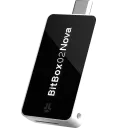
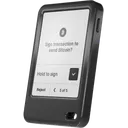
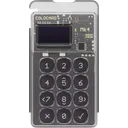
Read full definitionHardware Wallets by Recovery
Browse wallets grouped by this feature


Ready to Choose a Secure Wallet?
Use our tools to find the right hardware wallet for your needs.