Non-Extractable Keys
Non-extractable keys are private keys generated and stored within a hardware wallet that users cannot export or remove, protecting them from malware or physical attacks.
What Is a Non-Extractable Keys?
A Non-Extractable Key is a private cryptographic key generated and stored exclusively within a hardware wallet's secure chip. Users cannot export, copy, or extract this key from the device. This feature prevents access even if an attacker gains physical control of the wallet.
Hardware wallets create non-extractable keys during initialization using a tamper-resistant secure element, like a microcontroller. The private key never leaves this chip. To sign a transaction, the wallet receives unsigned data, computes the signature internally with the key, and outputs only the signed transaction. For example, a Ledger device generates keys on-device and signs without exposing them.
Non-extractable keys matter in cryptocurrency because private keys control access to funds. Software wallets store extractable keys on potentially compromised computers, risking theft via malware or phishing. Hardware wallets with non-extractable keys protect against these threats, making them ideal for holding large amounts long-term.
Key characteristics include:
- On-device generation: Keys derive from a master seed without external input.
- Immutable protection: Immune to software extraction attacks.
- Recovery via seed: Users back up a mnemonic seed phrase to regenerate keys on a new device if needed.
Synonyms include key protection and secure key storage.
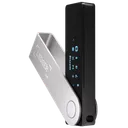
Ledger is a brand of hardware wallets that securely store cryptocurrency private keys offline, such as the Ledger Nano series.
Read full definitionCryptocurrency is a digital or virtual currency secured by cryptography, operating on decentralized blockchain networks to enable secure, peer-to-peer transactions.
Read full definitionRecovery is the process of restoring access to a cryptocurrency wallet using its seed phrase or mnemonic backup if the original wallet is lost or inaccessible.
Read full definitionA mnemonic phrase is a set of words that stores a cryptocurrency wallet's private keys, allowing users to recover access if lost.
Read full definitionReal-World Examples
Example 1: Hardware Wallet Initialization
Alice sets up her Ledger Nano X. The device generates a non-extractable private key from a random seed inside its secure chip. She records the 24-word recovery phrase but cannot export the key itself.
Example 2: Signing a Transaction
Bob connects his Trezor Model T to his computer to send ETH. The wallet receives the unsigned transaction, signs it using the non-extractable key internally, and returns only the signature. The key never leaves the device.
Example 3: Protection Against Theft
An attacker steals Charlie's hardware wallet and runs malware to extract keys. The non-extractable keys remain protected in the secure element, blocking fund access without the PIN or recovery seed.
Example 4: Device Recovery
Dana loses her wallet. Using the backed-up mnemonic seed on a new KeepKey device, it regenerates equivalent non-extractable keys, restoring her Bitcoin holdings without key exposure.
Recovery is the process of restoring access to a cryptocurrency wallet using its seed phrase or mnemonic backup if the original wallet is lost or inaccessible.
Read full definitionTrezor is a hardware wallet by SatoshiLabs. It stores private keys offline to secure cryptocurrencies.
Read full definitionEthereum is a decentralized blockchain platform that enables smart contracts and decentralized applications (dApps). Its native cryptocurrency is Ether (ETH).
Read full definitionA mnemonic phrase is a set of words that stores a cryptocurrency wallet's private keys, allowing users to recover access if lost.
Read full definitionBitcoin (BTC) is the first decentralized cryptocurrency, launched in 2009. It uses blockchain technology for secure, peer-to-peer digital transactions without intermediaries.
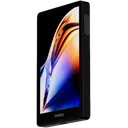
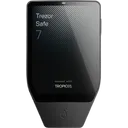
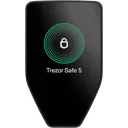
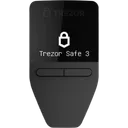
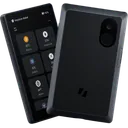
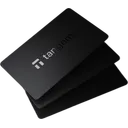
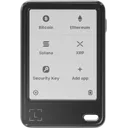
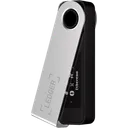
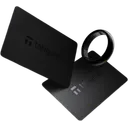
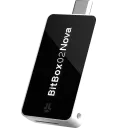
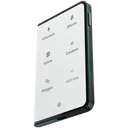
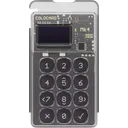
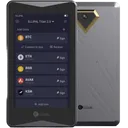
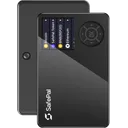
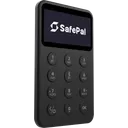
Read full definitionHardware Wallets by Non-Extractable Keys
Browse wallets grouped by this feature

Ready to Choose a Secure Wallet?
Use our tools to find the right hardware wallet for your needs.