NFC Connectivity
NFC Connectivity in cryptocurrency enables contactless transactions using near-field communication, allowing users to sign or authorize actions by tapping their device to a reader.
What Is a NFC Connectivity?
A NFC Connectivity is a technology that enables devices to communicate wirelessly over short distances, typically within 4 cm (1.5 inches). It is commonly used for contactless payments, data exchange, and device pairing. In the context of cryptocurrency, NFC Connectivity refers to the ability to perform secure transactions or sign actions by simply tapping a device, such as a smartphone or hardware wallet, against an NFC-enabled reader.
At its core, NFC Connectivity works by using electromagnetic fields to transfer data between two devices. When a user taps their NFC-enabled device against a reader, the devices establish a communication link without requiring physical contact. The data transfer occurs via an exchange of radio frequency signals. For cryptocurrency transactions, this technology can be used to sign or authorize a transaction, making it quick and seamless.
The relevance of NFC Connectivity in the cryptocurrency space lies in its ability to provide a secure and user-friendly method for authorizing transactions. By leveraging this technology, users can sign transactions or access their wallets without needing to enter private keys manually. It adds a layer of convenience without compromising security, especially when integrated with hardware wallets. The added security comes from the proximity requirement, ensuring that the devices are within a limited range, thus reducing the risk of unauthorized access.
Key characteristics of NFC Connectivity include its range (typically up to 4 cm), its low power consumption, and its speed in establishing connections. While primarily used for payments, its application in crypto extends beyond just payments to include identity verification and transaction authorization. There are no significant types of NFC Connectivity, but it can be implemented in various forms, such as built-in NFC on smartphones or external NFC chips in hardware wallets.
In cryptocurrency, a swap is the direct exchange of one token for another on a blockchain, often via decentralized exchanges (DEXs) without intermediaries.
Read full definitionCryptocurrency is a digital or virtual currency secured by cryptography, operating on decentralized blockchain networks to enable secure, peer-to-peer transactions.
Read full definitionKYC (Know Your Customer) is the regulatory process where cryptocurrency exchanges verify users' identities using documents like ID or proof of address to prevent fraud and money laundering.
Read full definitionReal-World Examples
Example 1: When setting up a Ledger hardware wallet, users can tap their smartphone with NFC functionality against the device to securely authorize a cryptocurrency transaction without manually entering a PIN or private key.
- The NFC-enabled Ledger wallet pairs with a mobile app to allow for easy, tap-to-sign transactions.
Example 2: At a point-of-sale terminal, a customer with an NFC-enabled smartphone can use their device to pay for goods by simply tapping it against the terminal, initiating a secure transaction using cryptocurrency.
- The NFC connection ensures that the transaction is authorized only when the devices are in close proximity, providing an added layer of security.
Example 3: A user can log into their crypto exchange account by tapping their NFC-enabled hardware wallet to their computer, allowing for secure access without the need to manually enter a password.
- The wallet’s NFC functionality establishes a secure, short-range connection to authorize the login process with a simple tap.
Example 4: In a decentralized app (dApp), users can use their NFC-enabled wallet to approve or sign transactions instantly by tapping their device against an NFC reader embedded within the dApp interface, reducing friction in the transaction process.
- This NFC-based interaction streamlines the signing process for crypto transactions, offering both convenience and security.
Ledger is a brand of hardware wallets that securely store cryptocurrency private keys offline, such as the Ledger Nano series.
Read full definitionCryptocurrency is a digital or virtual currency secured by cryptography, operating on decentralized blockchain networks to enable secure, peer-to-peer transactions.
Read full definitionIn cryptocurrency, a swap is the direct exchange of one token for another on a blockchain, often via decentralized exchanges (DEXs) without intermediaries.
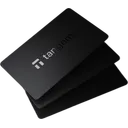
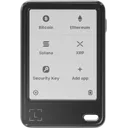
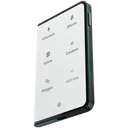
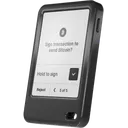
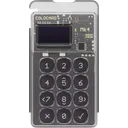
Read full definitionHardware Wallets by NFC Connectivity
Browse wallets grouped by this feature



Ready to Choose a Secure Wallet?
Use our tools to find the right hardware wallet for your needs.