Multisig
Multisig (multi-signature) is a security feature that requires multiple private keys to authorize a transaction, enhancing protection against unauthorized access in blockchain networks.
What Is a Multisig?
A Multisig is a security feature used in blockchain networks that requires more than one private key to authorize a transaction. It is short for multi-signature, which means that multiple signatures from different participants are necessary to complete a transaction. This feature adds an extra layer of security by ensuring that no single entity has full control over the funds in a wallet or account.
In a multisig system, a predefined number of signatures (or private keys) are required to authorize a transaction. The most common setup is m-of-n, where m represents the minimum number of signatures needed, and n represents the total number of participants who hold keys. For example, in a 2-of-3 multisig wallet, any two out of the three key holders are required to approve a transaction.
Multisig works by splitting control of a wallet between multiple parties. Each party holds a private key, and none of them alone can perform transactions without the approval of the others. When a transaction is initiated, it is sent to the participants for their approval. Only after the required number of signatures is collected can the transaction be broadcast to the blockchain network. This prevents unauthorized access, as an attacker would need to compromise multiple keys to complete a transaction.
Multisig is particularly important in the context of cryptocurrencies because it enhances security. It reduces the risk of theft by requiring collaboration to move funds, making it harder for hackers or malicious actors to gain control over assets. This is especially useful for securing large amounts of cryptocurrency or for situations where multiple parties need to manage assets, such as in organizations or family trusts.
There are different types of multisig setups, depending on how many keys are required and how many participants are involved. Some wallets allow users to customize their multisig configurations, such as requiring 3 signatures out of 5 participants (3-of-5), while others use standard setups like 2-of-2 or 2-of-3. Additionally, some multisig wallets allow for time-based conditions, where signatures must be provided within a specific timeframe, adding another layer of flexibility and security.
HODL is cryptocurrency slang for holding assets long-term despite price volatility, rather than selling. It originated from a 2013 forum post misspelling 'hold' as 'I AM HODLING.'
Read full definitionCryptocurrency is a digital or virtual currency secured by cryptography, operating on decentralized blockchain networks to enable secure, peer-to-peer transactions.
Read full definitionReal-World Examples
Example 1: A company sets up a multisig wallet for its treasury to ensure that no single person can access the funds. The wallet is configured as 2-of-3, meaning that two out of three executives must approve any transaction before it is processed.
- Each executive holds a private key, and they collaborate to authorize payments, which prevents unauthorized withdrawals.
- For example, if one executive is unavailable or their key is compromised, the other two can still approve transactions, ensuring security and continuity.
Example 2: A family trust uses a multisig wallet to store its cryptocurrency assets. The setup is 3-of-5, requiring at least three out of five family members to sign off on a transaction before funds can be moved.
- This setup is useful because it prevents any single family member from making unilateral decisions regarding the trust’s funds.
- If a member loses access to their private key or becomes incapacitated, the other four members can still maintain control and approve transactions.
Example 3: A decentralized autonomous organization (DAO) uses a multisig wallet with a 3-of-5 configuration to manage the funds for development and operational expenses.
- Transactions are proposed by the DAO’s treasury manager, but require approval from three different members of the governance board before being executed.
- This ensures that no single person can drain the treasury, and provides an extra layer of oversight by distributing control among multiple participants.
Example 4: A cryptocurrency exchange implements a multisig setup with a 2-of-2 configuration for their hot wallet. Only two employees, the CEO and the CFO, can approve withdrawals from this wallet.
- In case of a hack or internal fraud attempt, both executives would need to be compromised to access the funds, making it significantly more difficult for attackers to steal assets.
Cryptocurrency is a digital or virtual currency secured by cryptography, operating on decentralized blockchain networks to enable secure, peer-to-peer transactions.
Read full definitionA DAO (Decentralized Autonomous Organization) is a blockchain-based entity governed by smart contracts and token holder votes, enabling decentralized decision-making without central authority.
Read full definitionIn cryptocurrency, a swap is the direct exchange of one token for another on a blockchain, often via decentralized exchanges (DEXs) without intermediaries.
Read full definitionA Hot Wallet is a cryptocurrency wallet connected to the internet, allowing for easy access and transactions but more vulnerable to hacks.
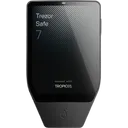
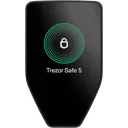
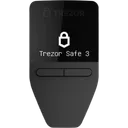
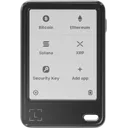
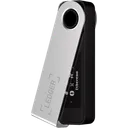
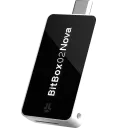
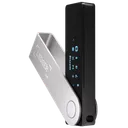
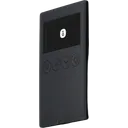
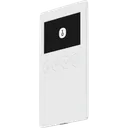
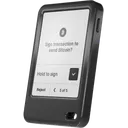
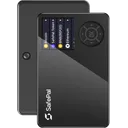
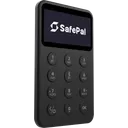
Read full definitionHardware Wallets by Multisig
Browse wallets grouped by this feature


Ready to Choose a Secure Wallet?
Use our tools to find the right hardware wallet for your needs.