IP Rating
IP Rating refers to the level of protection a device has against dust and water, often used for hardware wallets to indicate their durability in various environments.
What Is a IP Rating?
A IP Rating is a standard used to define the level of protection an electronic device has against dust and water. The term stands for Ingress Protection and is commonly used to measure how resistant a device is to various environmental factors. This rating is especially relevant for hardware wallets, as it indicates how durable a device is in different conditions.
The IP Rating is composed of two digits. The first digit represents the level of protection against solid particles, such as dust, while the second digit shows the protection level against liquids like water. For example, an IP68 rating means the device is fully protected against dust (6) and can be submerged in water beyond 1 meter depth for a prolonged period (8).
This rating is crucial for hardware wallets because these devices are often carried around and exposed to different environments. A higher IP Rating ensures that the wallet is more resistant to water and dust, reducing the risk of device failure or damage. For crypto users who store their private keys in hardware wallets, durability is vital to protect their assets in everyday use, especially when traveling or handling the device in various weather conditions.
The key characteristics of an IP Rating include the two-digit system: the first digit ranges from 0 (no protection) to 6 (dust-tight), and the second digit ranges from 0 (no protection) to 9 (protection against high-pressure water jets). Common ratings for hardware wallets include IP65, IP67, and IP68, each offering varying degrees of protection based on the device's design and intended use.
Cryptocurrency is a digital or virtual currency secured by cryptography, operating on decentralized blockchain networks to enable secure, peer-to-peer transactions.
Read full definitionReal-World Examples
Example 1: When setting up a Ledger hardware wallet, it's important to check the IP Rating to ensure it can withstand accidental exposure to water or dust during travel. A model with an IP68 rating offers full protection against dust and can handle submersion in water beyond 1 meter for an extended period.
Example 2: If you plan to take your hardware wallet to the beach, choosing a wallet with an IP67 rating will protect it from sand and occasional splashes of water. However, it’s not fully waterproof for prolonged submersion.
Example 3: A wallet with an IP65 rating is suitable for environments where the device may be exposed to light rain or dust but shouldn’t be submerged in water or exposed to high-pressure water jets.
Example 4: A user traveling to a region with frequent rain may prefer a wallet with an IP68 rating, ensuring that it remains functional even if dropped into water temporarily or exposed to heavy rainfall.
Ledger is a brand of hardware wallets that securely store cryptocurrency private keys offline, such as the Ledger Nano series.
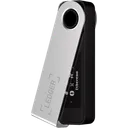
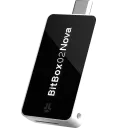
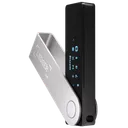
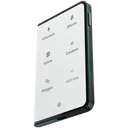
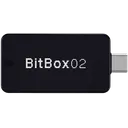
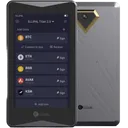
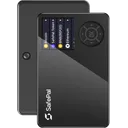
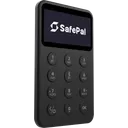
Read full definitionHardware Wallets by IP Rating
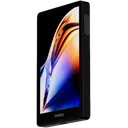
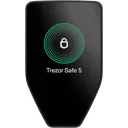
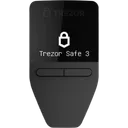
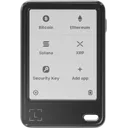
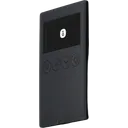
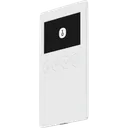
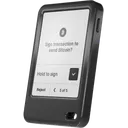
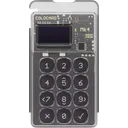
Browse wallets grouped by this feature


Ready to Choose a Secure Wallet?
Use our tools to find the right hardware wallet for your needs.