Hidden Wallet
A hidden wallet conceals a secondary cryptocurrency wallet behind an additional passphrase on the same seed, providing plausible deniability against coercion.
What Is a Hidden Wallet?
A Hidden Wallet, also called a plausible deniability wallet or stealth wallet, conceals a secondary cryptocurrency wallet. It uses the same seed phrase as a primary wallet but requires an extra passphrase to access. This setup lets users deny knowledge of hidden funds under duress.
Hidden wallets work with hierarchical deterministic (HD) wallets following BIP-39 standards. Generate a master seed phrase. Derive the primary wallet directly from the seed. Add a unique passphrase to derive a separate wallet tree with distinct addresses and private keys. Hardware wallets like Trezor or Coldcard support this. For example, enter seed "abc123" alone for the primary wallet. Enter seed "abc123" plus passphrase "secret" for the hidden one.
This feature matters for security in high-risk situations. Users store small amounts in the primary wallet as a decoy. Coerced users reveal only the seed, showing minimal funds. Hidden assets remain safe behind the passphrase. It counters physical attacks or legal pressure where attackers demand wallet access.
Key characteristics include:
- Multiple hidden wallets possible with different passphrases
- Zero on-chain link between primary and hidden wallets
- Passphrase never stored on device; user memorizes it
- Supported mainly by advanced hardware wallets
Plausible Deniability refers to the ability to deny knowledge or possession of cryptocurrency by using techniques like decoy wallets or hidden volumes, ensuring privacy under duress.
Read full definitionA crypto wallet stores private keys for cryptocurrencies. It lets users send, receive, and manage digital assets on the blockchain.
Read full definitionA passphrase is an additional security layer for cryptocurrency wallets, acting as a 25th word in the BIP39 seed phrase, protecting access to hidden wallets.
Read full definitionBIP32 is a Bitcoin Improvement Proposal defining a standard for hierarchical deterministic (HD) wallets, allowing the generation of a tree of keys from a single seed phrase.
Read full definitionBIP39 is a standard for generating mnemonic seed phrases that are used to create deterministic wallets and securely back up cryptocurrency private keys.
Read full definitionTrezor is a hardware wallet by SatoshiLabs. It stores private keys offline to secure cryptocurrencies.
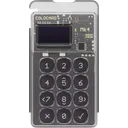
Read full definitionColdcard is an air-gapped hardware wallet for Bitcoin, made by Coinkite, that stores private keys offline and signs transactions without internet exposure.
Read full definitionReal-World Examples
Example 1: Traveler under threat
A traveler visits a high-risk area. They fund a primary wallet with $50 in Bitcoin as a decoy. A hidden wallet holds $5,000 behind the passphrase "travel_secret". Robbers demand access; the user enters only the seed phrase, revealing minimal funds. The hidden wallet stays secure.
Example 2: Activist in oppressive regime
An activist uses a Trezor hardware wallet. The primary wallet shows small donations. A hidden wallet stores main funds with passphrase "freedom2024". Under interrogation, they share the seed phrase. Authorities see only the decoy; real assets remain hidden.
Example 3: Multiple hidden wallets for organization
A privacy-focused user sets up one primary wallet and two hidden ones on Coldcard. Passphrase "savings" accesses long-term holdings. Passphrase "emergency" unlocks quick-access funds. Each derives from the same seed but generates unique addresses with no on-chain links.
Example 4: Technical setup on hardware wallet
- Generate BIP-39 seed: "army van defense carry jealous true garbage claim echo media make crunch".
- Enter seed alone: Access primary wallet (e.g., receive address bc1qxy...).
- Enter seed + passphrase "hidden1": Access first hidden wallet (e.g., bc1qxz...).
- Enter seed + passphrase "hidden2": Access second hidden wallet (e.g., bc1qwa...).
Bitcoin (BTC) is the first decentralized cryptocurrency, launched in 2009. It uses blockchain technology for secure, peer-to-peer digital transactions without intermediaries.
Read full definitionA passphrase is an additional security layer for cryptocurrency wallets, acting as a 25th word in the BIP39 seed phrase, protecting access to hidden wallets.
Read full definitionTrezor is a hardware wallet by SatoshiLabs. It stores private keys offline to secure cryptocurrencies.
Read full definitionColdcard is an air-gapped hardware wallet for Bitcoin, made by Coinkite, that stores private keys offline and signs transactions without internet exposure.
Read full definitionBIP39 is a standard for generating mnemonic seed phrases that are used to create deterministic wallets and securely back up cryptocurrency private keys.
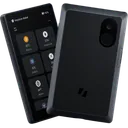
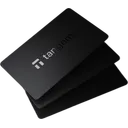
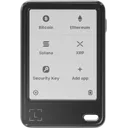
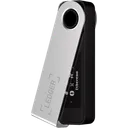
Read full definitionHardware Wallets by Hidden Wallet
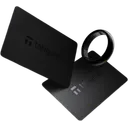
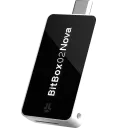
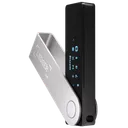
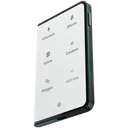
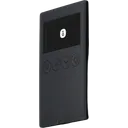
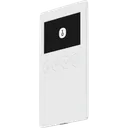
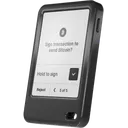
Browse wallets grouped by this feature


Ready to Choose a Secure Wallet?
Use our tools to find the right hardware wallet for your needs.