Full Node
A Full Node is a computer that stores the entire blockchain and verifies all transactions, ensuring network security and consistency in cryptocurrency systems like Bitcoin.
What Is a Full Node?
A Full Node is a computer that stores a complete copy of the blockchain and is responsible for validating all transactions and blocks on the network. It plays a crucial role in maintaining the integrity and security of decentralized systems like Bitcoin by ensuring every transaction adheres to the network's rules.
Full nodes download and store the entire history of the blockchain. This includes every transaction that has ever occurred since the blockchain’s inception. When a new transaction or block is broadcast to the network, a full node checks it against the blockchain's consensus rules. If the transaction or block is valid, the full node propagates it to other nodes in the network.
The importance of full nodes lies in their ability to ensure decentralization and trustlessness within blockchain networks. Since they independently verify transactions, full nodes help prevent fraudulent or invalid activities by rejecting non-compliant blocks or transactions. By running a full node, users contribute to the security and stability of the network, making it more resistant to attacks and manipulations.
Key characteristics of a full node include its ability to store the entire blockchain, verify transactions, and ensure that the consensus rules are followed. There are different types of full nodes depending on the blockchain, but they all share the responsibility of maintaining the blockchain’s integrity. Examples include Bitcoin full nodes, which require significant storage space and bandwidth to operate effectively. A self-hosted full node is a common choice for users who wish to independently verify their transactions without relying on third parties.
A node is a computer running blockchain software that connects to the network, validates transactions, and maintains a copy of the ledger.
Read full definitionBitcoin (BTC) is the first decentralized cryptocurrency, launched in 2009. It uses blockchain technology for secure, peer-to-peer digital transactions without intermediaries.
Read full definitionDecentralization spreads control and data across many independent nodes in a blockchain network, eliminating reliance on a single authority.
Read full definitionReal-World Examples
Example 1: When setting up a Bitcoin wallet, you might choose to run a full node to ensure that you are independently verifying all transactions and blocks on the network.
- A full node downloads the entire Bitcoin blockchain, which allows you to validate that the transactions you are involved in follow the network's rules.
- This helps you avoid relying on third-party services, giving you greater control and security over your funds.
Example 2: A full node can be used by developers to test and interact with the blockchain without relying on external data sources.
- By running a full node, developers can directly query the blockchain to confirm transaction details or test new features on a live network.
- This is crucial for ensuring that the software behaves as expected in a decentralized environment.
Example 3: Running a self-hosted full node is an option for advanced users who want to be fully responsible for the verification of their cryptocurrency transactions.
- By hosting your own node, you reduce reliance on centralized services, increasing the privacy and security of your transactions.
- It can also help increase the robustness of the network, as every full node contributes to its decentralization and security.
Electrum is a lightweight Bitcoin wallet that allows users to store, send, and receive Bitcoin securely. It is known for its speed and low resource usage.
Read full definitionA node is a computer running blockchain software that connects to the network, validates transactions, and maintains a copy of the ledger.
Read full definitionBitcoin (BTC) is the first decentralized cryptocurrency, launched in 2009. It uses blockchain technology for secure, peer-to-peer digital transactions without intermediaries.
Read full definitionCryptocurrency is a digital or virtual currency secured by cryptography, operating on decentralized blockchain networks to enable secure, peer-to-peer transactions.
Read full definitionDecentralization spreads control and data across many independent nodes in a blockchain network, eliminating reliance on a single authority.
Read full definitionHardware Wallets by Full Node
Browse wallets grouped by this feature







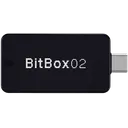
Ready to Choose a Secure Wallet?
Use our tools to find the right hardware wallet for your needs.