Cold Storage
Cold storage refers to keeping cryptocurrency private keys offline, away from the internet, to protect them from hacks or unauthorized access.
What Is a Cold Storage?
A Cold Storage is a method of storing cryptocurrency private keys offline, meaning they are kept away from any internet-connected devices. This is a security measure to ensure that the private keys are not exposed to potential online threats, such as hackers or malware. The term 'cold' refers to the absence of an internet connection, in contrast to 'hot storage,' which involves storing private keys on devices connected to the internet.
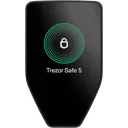
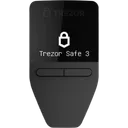
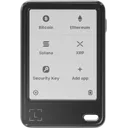
Cold storage works by using physical devices or paper to store private keys, rather than relying on online systems. Common forms of cold storage include hardware wallets, paper wallets, and air-gapped computers. Hardware wallets are physical devices that generate and store private keys offline, requiring the user to physically connect the device to a computer or mobile device to complete a transaction. Paper wallets are simply printed documents that contain the private key and public address, which can be stored in a secure location. Air-gapped computers are devices that never connect to the internet, making them suitable for generating and storing private keys in complete isolation.
The importance of cold storage lies in its ability to protect cryptocurrencies from online attacks. In a world where cyberattacks and data breaches are common, cold storage offers a significant advantage in securing digital assets. By keeping private keys offline, cold storage minimizes the risk of unauthorized access, hacking, or theft. This is particularly crucial for individuals or institutions that hold large amounts of cryptocurrency, as the loss of private keys can lead to the irreversible loss of funds.
Key characteristics of cold storage include its security and its use for long-term storage. Cold storage is considered one of the most secure ways to store cryptocurrency, as it is not exposed to the same risks as hot storage. It is commonly used by investors, exchanges, and institutions who need to store large amounts of cryptocurrency safely over extended periods. However, cold storage also requires physical access to the storage medium (e.g., hardware wallet or paper wallet), making it less convenient for frequent transactions compared to hot wallets. Despite this, its security features make it the preferred method for safeguarding valuable digital assets.
Cryptocurrency is a digital or virtual currency secured by cryptography, operating on decentralized blockchain networks to enable secure, peer-to-peer transactions.
Read full definitionA public key is a cryptographic key used to receive transactions in a blockchain. It is shared openly, while the corresponding private key remains confidential.
Read full definitionHODL is cryptocurrency slang for holding assets long-term despite price volatility, rather than selling. It originated from a 2013 forum post misspelling 'hold' as 'I AM HODLING.'
Read full definitionA paper wallet is a physical document that contains a cryptocurrency's public and private keys, used for offline storage of funds.
Read full definitionReal-World Examples
Example 1: When setting up a Ledger hardware wallet, users generate their private keys offline and store them on the device, ensuring their keys are kept in cold storage. This method minimizes the risk of hacking since the keys never touch the internet.
Example 2: An investor chooses to store a large portion of their Bitcoin holdings on a paper wallet in cold storage, keeping it in a safe deposit box. This approach reduces the risk of online threats like malware or phishing attacks.
Example 3: A cryptocurrency exchange uses air-gapped computers to generate and store private keys for the majority of its funds. These air-gapped systems are never connected to the internet, ensuring the keys remain securely offline and out of reach of hackers.
Example 4: A decentralized finance (DeFi) project decides to store its reserve funds in cold storage on a hardware wallet, only connecting the wallet to a computer when absolutely necessary to complete a transaction. This enhances security by keeping the private keys offline most of the time.
Ledger is a brand of hardware wallets that securely store cryptocurrency private keys offline, such as the Ledger Nano series.
Read full definitionBitcoin (BTC) is the first decentralized cryptocurrency, launched in 2009. It uses blockchain technology for secure, peer-to-peer digital transactions without intermediaries.
Read full definitionA paper wallet is a physical document that contains a cryptocurrency's public and private keys, used for offline storage of funds.
Read full definitionCryptocurrency is a digital or virtual currency secured by cryptography, operating on decentralized blockchain networks to enable secure, peer-to-peer transactions.
Read full definitionIn cryptocurrency, a swap is the direct exchange of one token for another on a blockchain, often via decentralized exchanges (DEXs) without intermediaries.
Read full definitionDeFi (Decentralized Finance) refers to a set of financial services, such as lending and trading, built on blockchain technology without traditional intermediaries like banks.
Read full definitionHardware Wallets by Cold Storage
Browse wallets grouped by this feature













Ready to Choose a Secure Wallet?
Use our tools to find the right hardware wallet for your needs.