Coin Control
Coin Control is a feature that allows users to manually select which unspent transaction outputs (UTXOs) to use in a transaction, giving more control over privacy and fees.
What Is a Coin Control?
A Coin Control is a feature that enables users to manually select which unspent transaction outputs (UTXOs) to use when constructing a cryptocurrency transaction. This feature offers more control over how transactions are processed, allowing users to choose specific coins to spend rather than relying on the wallet to automatically select them. This can be particularly useful for managing privacy and optimizing transaction fees.
In a typical cryptocurrency transaction, the wallet software automatically selects UTXOs from the user's balance to use as inputs for a new transaction. With Coin Control, the user can choose which specific UTXOs to include. This selection process allows users to manage the size of their transaction and how much fee they are willing to pay, as different UTXOs may vary in size and, consequently, in the fees required for the transaction to be processed by the network.
Coin Control is important for privacy and security. By choosing which coins to spend, users can avoid linking transactions that might otherwise be associated with one another. For example, by spending UTXOs from different addresses or using smaller UTXOs, users can prevent the blockchain from easily associating their funds. This is especially critical for users who value transactional privacy or are concerned about exposing their financial activity. Moreover, users can avoid paying excessive fees by selecting UTXOs that minimize the total size of the transaction and thus reduce the network fee.
Key characteristics of Coin Control include the ability to manually select UTXOs, view the specific UTXOs available in the wallet, and choose how to optimize transactions for privacy and cost. While this feature is available in many desktop and hardware wallets, not all wallets support it. Some wallets offer advanced Coin Control options, such as grouping or labeling UTXOs to make selection easier. Overall, Coin Control is a powerful tool for users who want fine-grained control over their cryptocurrency transactions.
UTXO (Unspent Transaction Output) is a unit of cryptocurrency from a previous transaction that remains unspent and serves as input for new transactions in blockchains like Bitcoin.
Read full definitionCryptocurrency is a digital or virtual currency secured by cryptography, operating on decentralized blockchain networks to enable secure, peer-to-peer transactions.
Read full definitionA transaction fee is a cost paid to process transactions on a blockchain network. It compensates miners or validators for confirming and adding transactions to the blockchain.
Read full definitionReal-World Examples
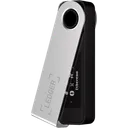
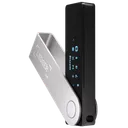
Example 1: When setting up a Ledger hardware wallet, you can use Coin Control to choose which UTXOs to spend when making a transaction. By manually selecting UTXOs, you can avoid paying high fees by choosing smaller UTXOs, thus reducing the transaction size and network cost.
Example 2: A privacy-conscious user wants to send Bitcoin without linking the transaction to their previous one. By using Coin Control, they can select UTXOs from different addresses or from a specific address, ensuring that the transaction is not easily traceable to their entire balance.
Example 3: A user has multiple small UTXOs in their wallet and wants to consolidate them into a single transaction. By using Coin Control, they can manually select these UTXOs, reducing the number of inputs and optimizing the transaction for lower fees.
Example 4: In a business setting, a company might want to pay specific invoices with funds from different sources. By using Coin Control, they can select UTXOs linked to different revenue streams, making it easier to track and allocate funds appropriately.
Ledger is a brand of hardware wallets that securely store cryptocurrency private keys offline, such as the Ledger Nano series.
Read full definitionUTXO (Unspent Transaction Output) is a unit of cryptocurrency from a previous transaction that remains unspent and serves as input for new transactions in blockchains like Bitcoin.
Read full definitionBitcoin (BTC) is the first decentralized cryptocurrency, launched in 2009. It uses blockchain technology for secure, peer-to-peer digital transactions without intermediaries.
Read full definitionHardware Wallets by Coin Control
Browse wallets grouped by this feature





Ready to Choose a Secure Wallet?
Use our tools to find the right hardware wallet for your needs.