Clear Signing
Clear Signing is a process in blockchain where transaction data is displayed in human-readable form before being signed, ensuring transparency and preventing blind signing risks.
What Is a Clear Signing?
A Clear Signing is a process used in blockchain and cryptocurrency transactions where the transaction data is displayed in a human-readable format before it is signed by the user. This method ensures that the user can clearly review the contents of the transaction, such as the recipient address, amount, and any other relevant details, to prevent errors or malicious activities that might occur during the signing process.
Clear Signing works by displaying all transaction details in a readable format on the user's device or hardware wallet interface prior to the user signing the transaction. This allows the user to see exactly what will be signed, ensuring there are no hidden or unexpected data being transmitted. Unlike traditional 'blind signing,' where the details of the transaction might be obfuscated, Clear Signing makes the full transaction details transparent and visible for the user to verify.
The importance of Clear Signing lies in its ability to protect users from blind signing risks. Blind signing occurs when a user signs a transaction without being able to review its full details, which can lead to mistakes or security vulnerabilities. By using Clear Signing, users are more informed and can catch any potential issues such as wrong addresses or amounts before approving the transaction, enhancing overall security.
Clear Signing is critical for maintaining trust and transparency in blockchain ecosystems, especially for users handling significant amounts of cryptocurrency. Key characteristics include human-readable transaction data, increased security, and the prevention of unauthorized or erroneous transaction approvals. While Clear Signing is most commonly associated with hardware wallets, it is a valuable feature for any blockchain platform or wallet interface aiming to improve user security and control over their transactions.
Cryptocurrency is a digital or virtual currency secured by cryptography, operating on decentralized blockchain networks to enable secure, peer-to-peer transactions.
Read full definitionBlind signing is the process of signing a transaction without viewing its contents, typically used in hardware wallets for enhanced security.
Read full definitionReal-World Examples
Example 1: When setting up a Ledger hardware wallet, the user is prompted to review the transaction details in a human-readable format on the device screen before confirming the transaction. This ensures that the recipient address, amount, and any fees are clearly displayed, helping the user avoid errors or fraud.
- The user sees the full transaction details before signing it, reducing the risk of making a mistake or falling victim to malicious software.
Example 2: In a cryptocurrency exchange, Clear Signing is used when withdrawing funds. Before the user finalizes the withdrawal, they are shown a readable summary of the transaction, including the withdrawal address, amount, and associated fees, allowing them to confirm that everything is correct.
- This step helps prevent the user from accidentally sending funds to the wrong address due to a typographical error or phishing attack.
Example 3: A blockchain-based voting platform uses Clear Signing to ensure that each user can review the details of their vote in a transparent and understandable format before signing and submitting it on the network. This prevents malicious actors from altering the vote data during the signing process.
- By displaying all relevant voting information, users can double-check that they are submitting their vote correctly before it is finalized on the blockchain.
Example 4: During a smart contract deployment on Ethereum, Clear Signing ensures the contract code, associated gas fees, and the deployment address are clearly visible before the user signs the transaction. This transparency prevents the user from inadvertently deploying a malicious contract or overpaying in gas fees.
- The user is able to confirm that the smart contract's details align with their expectations before they commit to the transaction.
Ledger is a brand of hardware wallets that securely store cryptocurrency private keys offline, such as the Ledger Nano series.
Read full definitionCryptocurrency is a digital or virtual currency secured by cryptography, operating on decentralized blockchain networks to enable secure, peer-to-peer transactions.
Read full definitionIn cryptocurrency, a swap is the direct exchange of one token for another on a blockchain, often via decentralized exchanges (DEXs) without intermediaries.
Read full definitionA phishing attack tricks crypto users into revealing private keys, seed phrases, or login details via fake emails, websites, or messages mimicking legitimate wallets or exchanges.
Read full definitionEthereum is a decentralized blockchain platform that enables smart contracts and decentralized applications (dApps). Its native cryptocurrency is Ether (ETH).
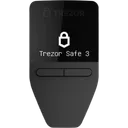
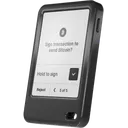
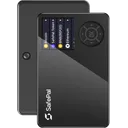
Read full definitionHardware Wallets by Clear Signing
Browse wallets grouped by this feature











Ready to Choose a Secure Wallet?
Use our tools to find the right hardware wallet for your needs.