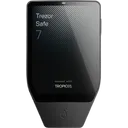
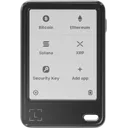
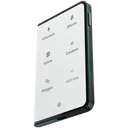
Coinkite Coldcard Q vs Keystone Pro 3 vs OneKey Pro vs Trezor Safe 5
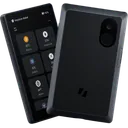
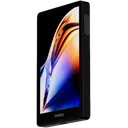
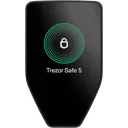
Comparing 4 wallets: Coinkite Coldcard Q (70/100, $259.99), Keystone Pro 3 (81/100, $149), and OneKey Pro (91/100, $278), Trezor Safe 5 (88/100, $129). Prices range from $129 to $278.
Key Takeaways
- Trezor Safe 5 wins in security (100/100)
- OneKey Pro wins in ease of use (79/100)
- Trezor Safe 5 is more affordable ($129)
- Best for beginners: OneKey Pro (easier setup)
Coinkite Coldcard Q vs Keystone Pro 3 vs OneKey Pro vs Trezor Safe 5: Key Differences
This comparison evaluates 4 hardware wallets — Coinkite Coldcard Q vs Keystone Pro 3 vs OneKey Pro vs Trezor Safe 5 — across 40+ criteria. Prices range from $129 to $278, and overall ratings span 70 to 91 out of 100. Below, we break down exactly where each wallet excels and where it falls short.
Winner by Category
Which wallet leads in each area
Comparison Table
Key specifications for your decision
| Criteria | ||||
|---|---|---|---|---|
Overall Rating | 70/100 | 81/100 | 91/100 | 88/100 |
Security | 94/100 | 100/100 | 100/100 | 100/100 |
Usability | 56/100 | 67/100 | 79/100 | 71/100 |
Price | $259.99 | $149 | $278 | $129 |
EAL Certification (Evaluation Assurance Level) from Common Criteria rates the security of hardware components, like secure chips in crypto hardware wallets. Higher levels, such as EAL5+ or EAL6+, indicate stronger resistance to attacks. Learn more | Yes | Yes | Yes | Yes |
Open Source Firmware refers to firmware in hardware devices, like wallets, where the source code is publicly available, allowing transparency, auditability, and customization. Learn more | Yes | Yes | Yes | Yes |
Bluetooth Connectivity enables wireless communication between devices, like hardware wallets and smartphones, using Bluetooth or Bluetooth Low Energy (BLE) for secure data transfer. Learn more | No | No | No | No |
USB | Yes | Yes | Yes | Yes |
Networks | 1+ | 46+ | 40+ | 87+ |
A passphrase is an additional security layer for cryptocurrency wallets, acting as a 25th word in the BIP39 seed phrase, protecting access to hidden wallets. Learn more | Yes | Yes | Yes | Yes |
A touchscreen display is a screen that allows users to interact with a device by touching the surface, commonly used in hardware wallets for easy navigation and transaction confirmation. Learn more | LCD | LCD Color Touchscreen | Color IPS Touchscreen | Color Touchscreen |
Recovery is the process of restoring access to a cryptocurrency wallet using its seed phrase or mnemonic backup if the original wallet is lost or inaccessible. Learn more | Multi-card | Multi-card | 24-word + Shamir | 20-word + Shamir |
Setup Time | ~15 min | ~15 min | ~7 min | ~15 min |
IP Rating refers to the level of protection a device has against dust and water, often used for hardware wallets to indicate their durability in various environments. Learn more | None | None | None | None |
Our Verdict: Coinkite Coldcard Q vs Keystone Pro 3 vs OneKey Pro vs Trezor Safe 5
Choose Coinkite Coldcard Q if...
- You are comfortable managing a seed phrase
- You want wireless NFC connectivity — no cables needed
Choose Keystone Pro 3 if...
- You are comfortable managing a seed phrase
- You prefer USB-only connection for maximum security
Choose OneKey Pro if...
- You are comfortable managing a seed phrase
- You prefer USB-only connection for maximum security
- You want a quick ~7-minute setup
Choose Trezor Safe 5 if...
- You are comfortable managing a seed phrase
- You prefer USB-only connection for maximum security
Our pick for most users
Both wallets score similarly (70 vs 81/100) — your choice depends on which features matter most to you.
Bottom line: Trezor Safe 5 leads in security, while OneKey Pro wins on usability. If budget matters, Trezor Safe 5 saves you money without compromising on core safety features.
Price: Coinkite Coldcard Q vs Keystone Pro 3 vs OneKey Pro vs Trezor Safe 5
Prices range from $129 (Trezor Safe 5) to $278 (OneKey Pro). The extra cost of OneKey Pro gets you a 3-point higher overall rating. For budget buyers, Trezor Safe 5 offers solid security at a lower price point.
Who Should Pick Which Wallet
Recommendations based on real-world use cases
Coinkite Coldcard Q
$259.99- +Dual secure elements: ATECC608 <em>and</em> DS28C36B provide redundant hardware security
- +Large 3.2-inch LCD screen enables full transaction verification before signing
- +QR code air-gap signing eliminates USB attack surface entirely during operation
- +NFC tap-to-sign support for contactless transaction broadcasting without cables
- −Supports <strong>only Bitcoin</strong> — zero altcoin or ERC-20 token compatibility
- −At $259.99, priced significantly above most competing multi-asset hardware wallets
- −Firmware is not fully open source, limiting complete end-to-end code auditability
- −No Bluetooth connectivity, restricting wireless pairing options compared to competitors
Keystone Pro 3
$149- +EAL5+ secure element with open, reproducible firmware builds
- +Air-gapped QR-only signing eliminates all USB attack surfaces
- +4-inch color touchscreen — largest display in its class
- +SLIP39 Shamir Secret Sharing splits seed across multiple shares
- −No Bluetooth or NFC — mobile use requires QR scanning only
- −Secure element chip manufacturer is undisclosed, limiting full auditability
- −Polycarbonate/ABS body lacks the metal construction of competitors like Coldcard
- −No water or dust resistance rating despite the <strong>$149</strong> price point
OneKey Pro
$278- +CC EAL6+ secure element (ATECC608B) — highest certified SE tier available
- +4-inch color IPS touchscreen dwarfs most competitors' small displays
- +Fully open-source firmware with reproducible builds for independent auditing
- +Shamir Secret Sharing splits seed across multiple recovery shares
- −At $278, it is among the most expensive consumer hardware wallets available
- −No Bluetooth or NFC limits wireless connectivity options vs. competitors
- −No water resistance rating despite aluminum alloy construction
- −Battery dependency means device is inoperable when discharged
Trezor Safe 5
$129- +EAL6+ certified secure element — highest SE rating among consumer hardware wallets
- +Fully open-source firmware with reproducible builds, independently verifiable by anyone
- +Shamir Secret Sharing splits seed across up to 16 shares for distributed backup
- +20-word custom seed format (SLIP39) reduces single-point-of-failure vs standard 24-word BIP39
- −No Bluetooth or NFC — USB-only connectivity limits mobile use to Android via USB-OTG
- −No iOS compatibility; iPhone users are entirely locked out without third-party workarounds
- −PMMA (acrylic) housing is less impact-resistant than polycarbonate used by some rivals
- −No water or dust resistance rating, unlike some competing devices at similar price points
Best for These Profiles
Pre-Purchase Checklist
Important points to verify regardless of your choice
All wallets ship from official manufacturer stores with full warranty.
Coinkite Coldcard Q vs Keystone Pro 3 vs OneKey Pro vs Trezor Safe 5: Frequently Asked Questions
Answers about Coinkite Coldcard Q vs Keystone Pro 3 vs OneKey Pro vs Trezor Safe 5
Is Coinkite Coldcard Q better than Keystone Pro 3?
How much do Coinkite Coldcard Q and Keystone Pro 3 and OneKey Pro and Trezor Safe 5 cost?
Can Trezor Safe 5 be used on iPhone (iOS)?
What happens if I lose all my Coinkite Coldcard Q cards?
Which wallet is better for DeFi and Web3: Coinkite Coldcard Q or Keystone Pro 3?
Coinkite Coldcard Q vs Keystone Pro 3: which has better backup options?
Where to buy Coinkite Coldcard Q at the best price?
Do Coinkite Coldcard Q and Keystone Pro 3 come with a warranty?
Made your decision?
Check out full reviews or find the best price from official vendors.
We may earn a commission from purchases through affiliate links. This does not affect our ratings.
Not convinced? Consider these alternatives
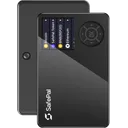
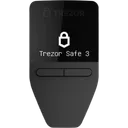
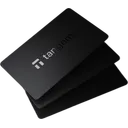
Tangem Wallet (3 Cards)
More Comparisons
Compare Coinkite Coldcard Q with other wallets